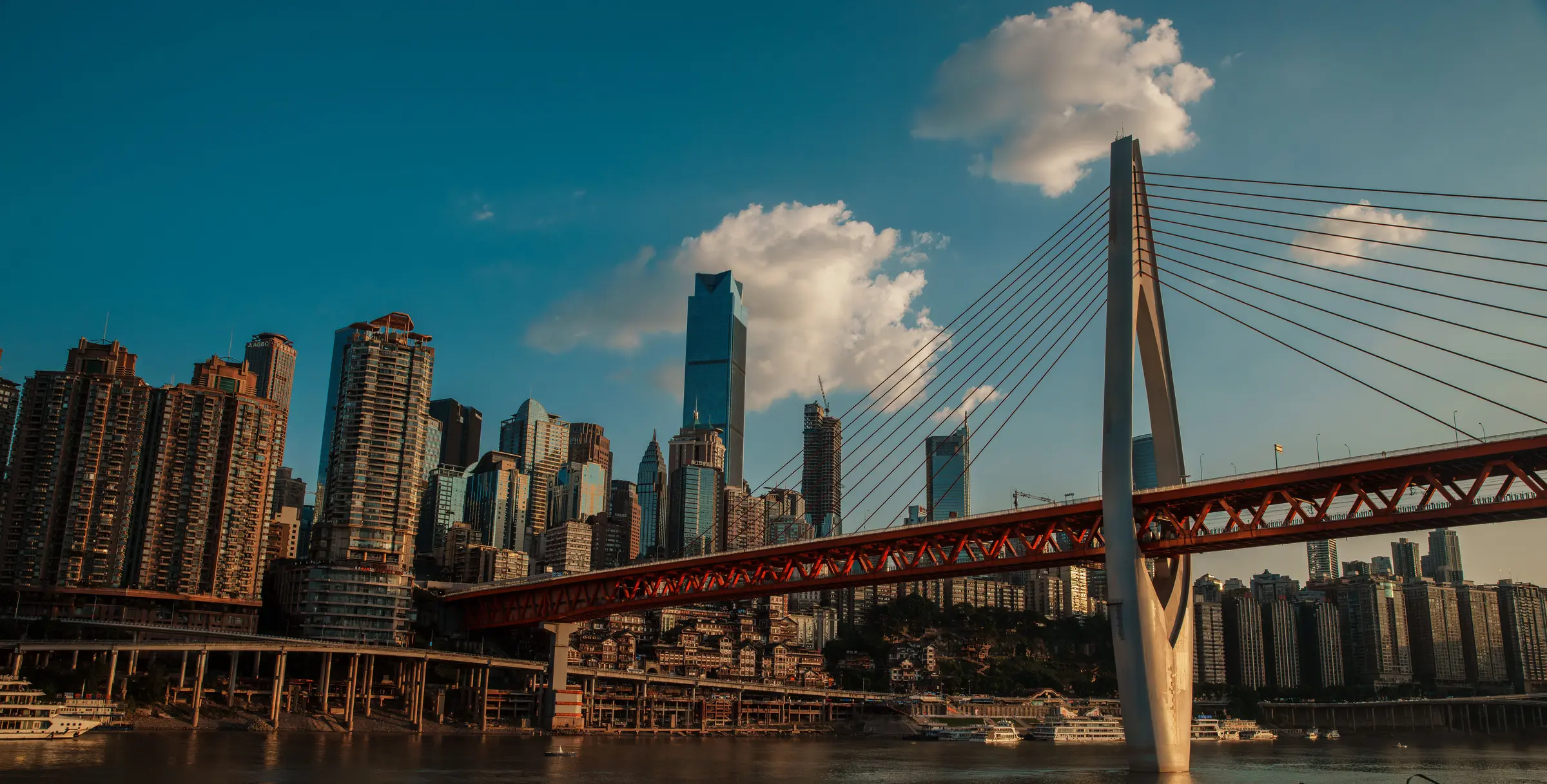
 01 / RIVERTHE GAP
07 / VERTICAL CITY
CHONGQING
GROUND LEVELUNDEFINED.Two rivers set the baseline. Everything else climbs.
106°33′E
FIELD NOTE / 01
A CITY YOU READ
IN SECTION.
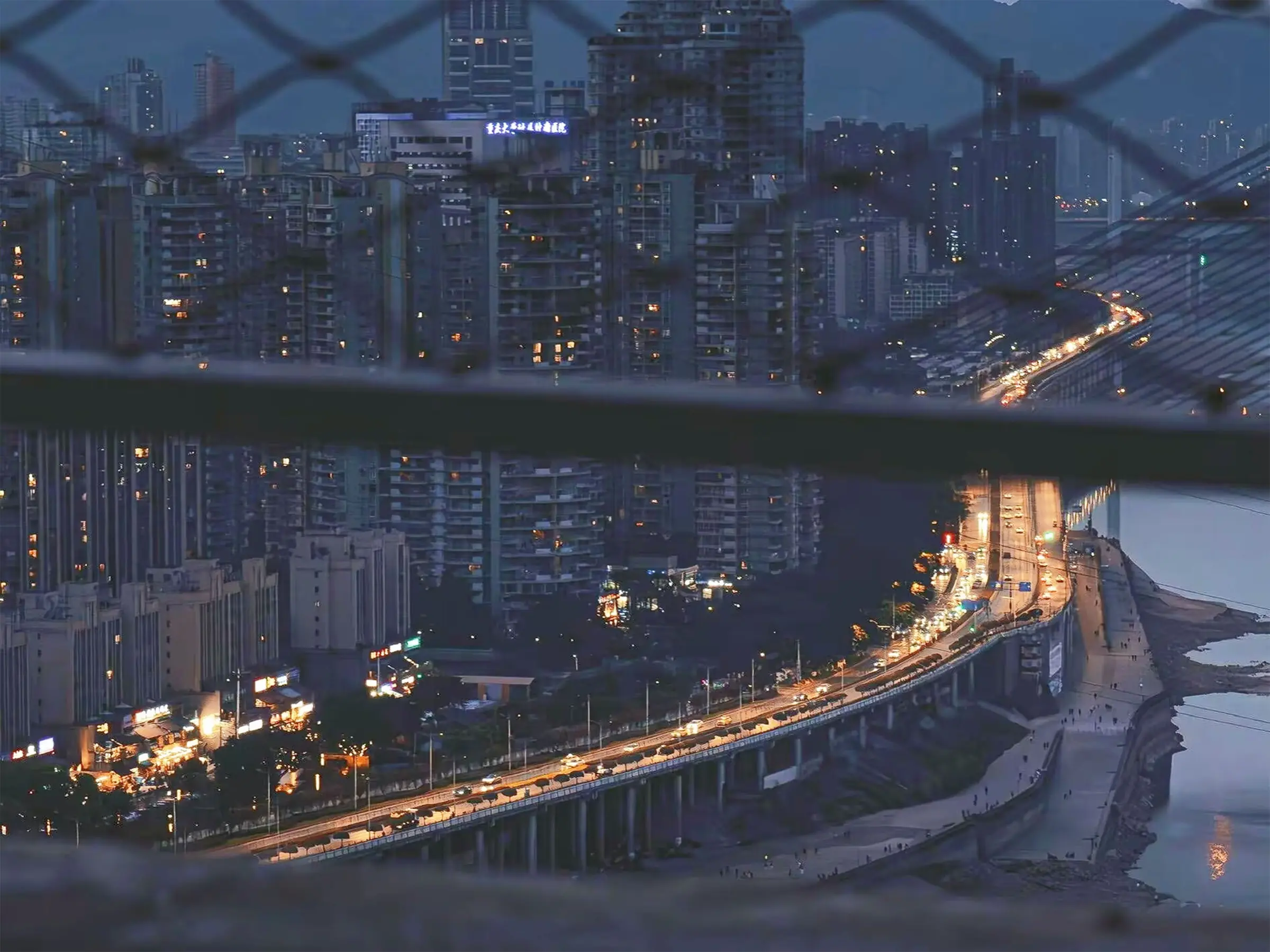
A flat map is insufficient here. Roads stack, trains cross windows, staircases become commutes and riverbanks sit hundreds of steps below the address you started from.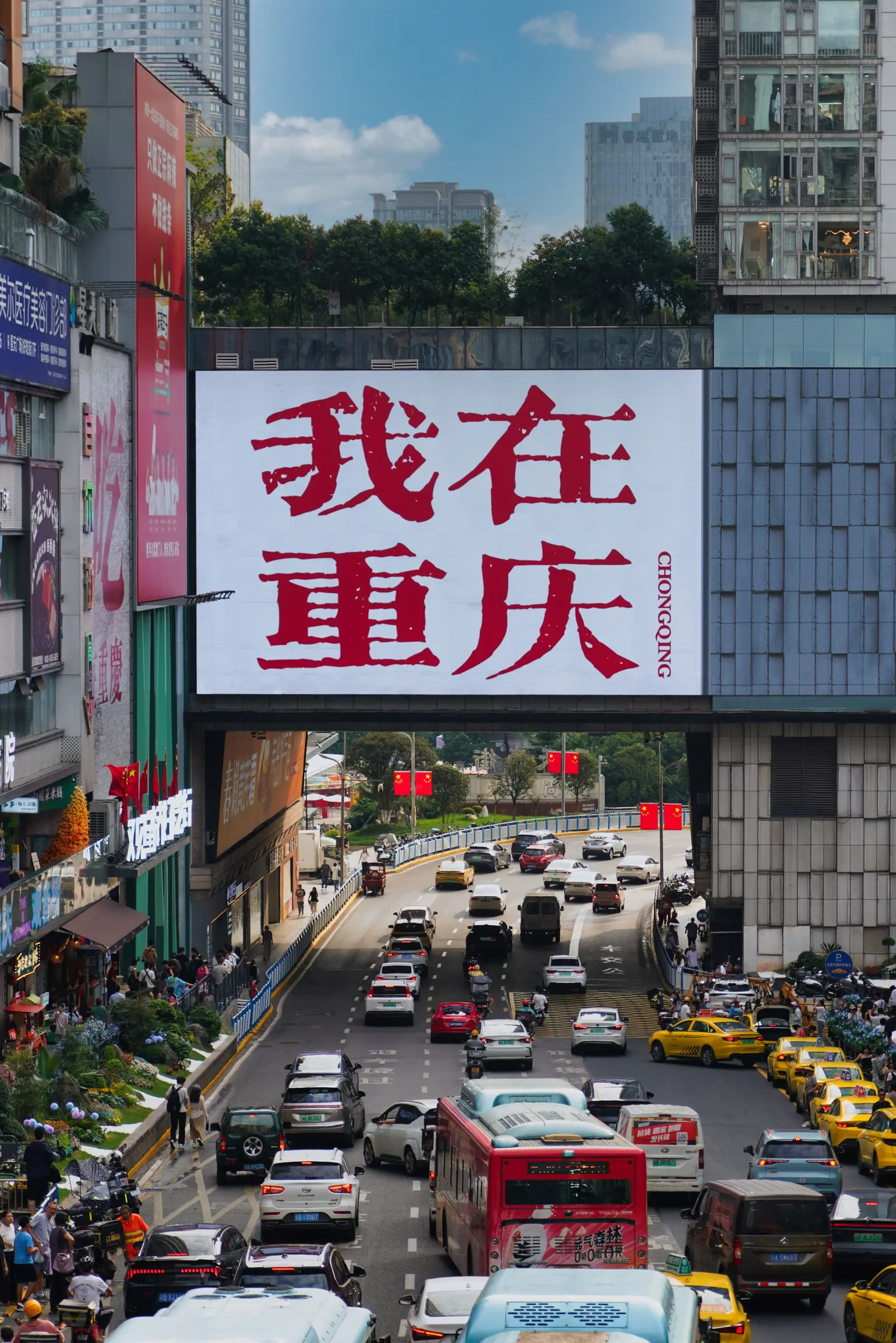
01 / TERRAINTHE CITY STARTS
BEFORE THE BUILDINGS.
BEFORE THE BUILDINGS.
174 M315 M
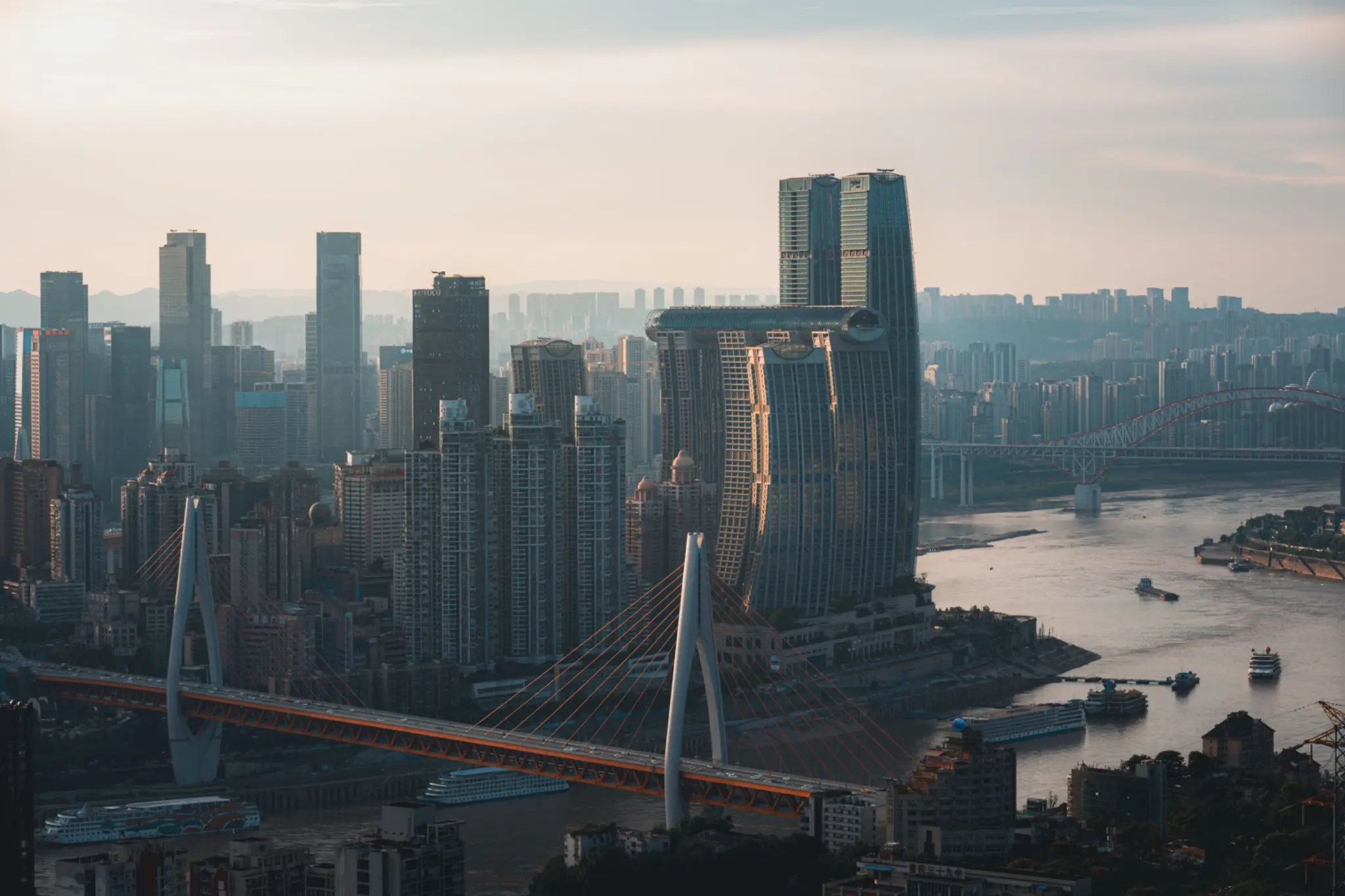
The peninsula rises between the Yangtze and Jialing. Streets inherit the slope; buildings negotiate it.
02 / STREET LEVEL?
WHICH ONE
IS GROUND?
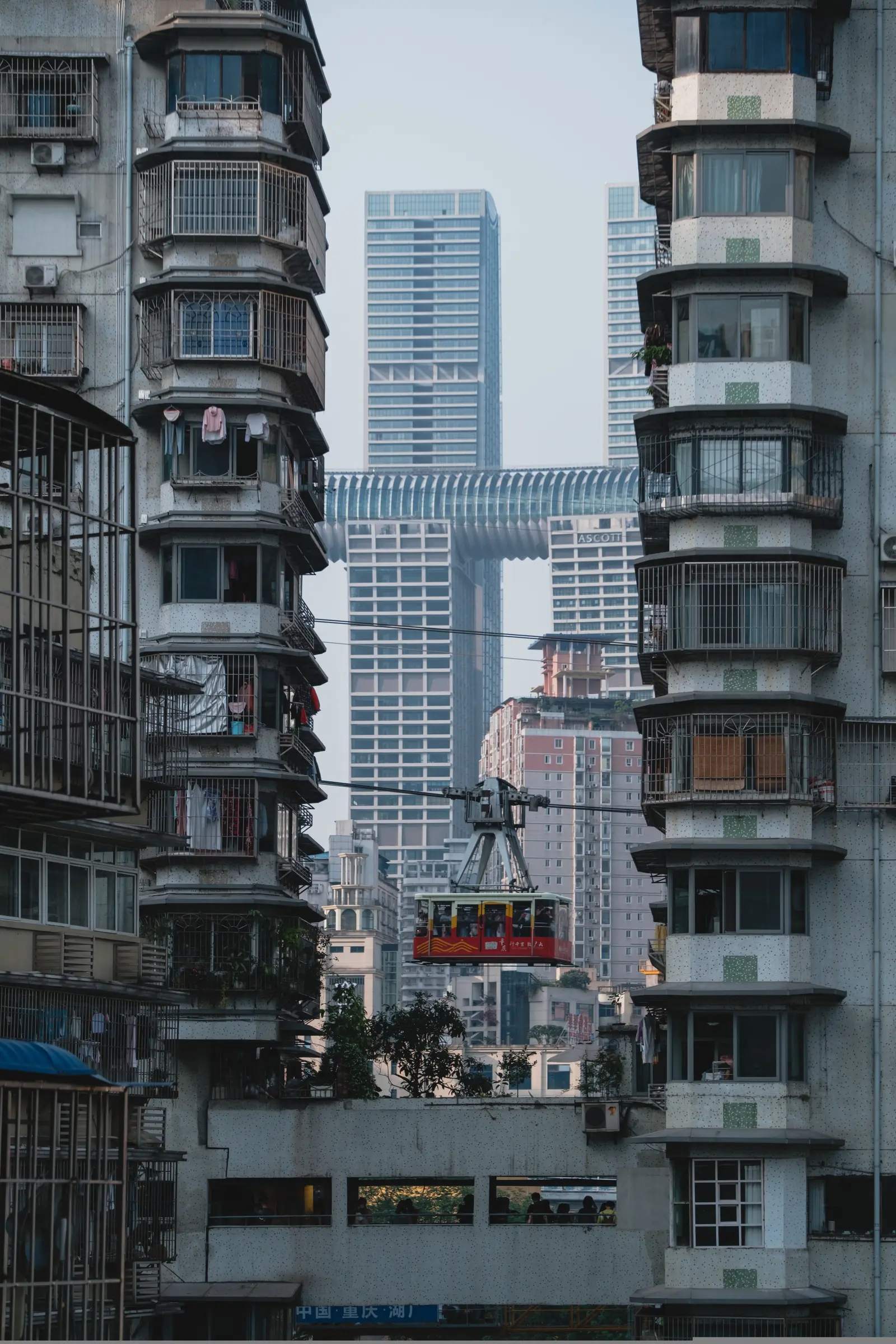
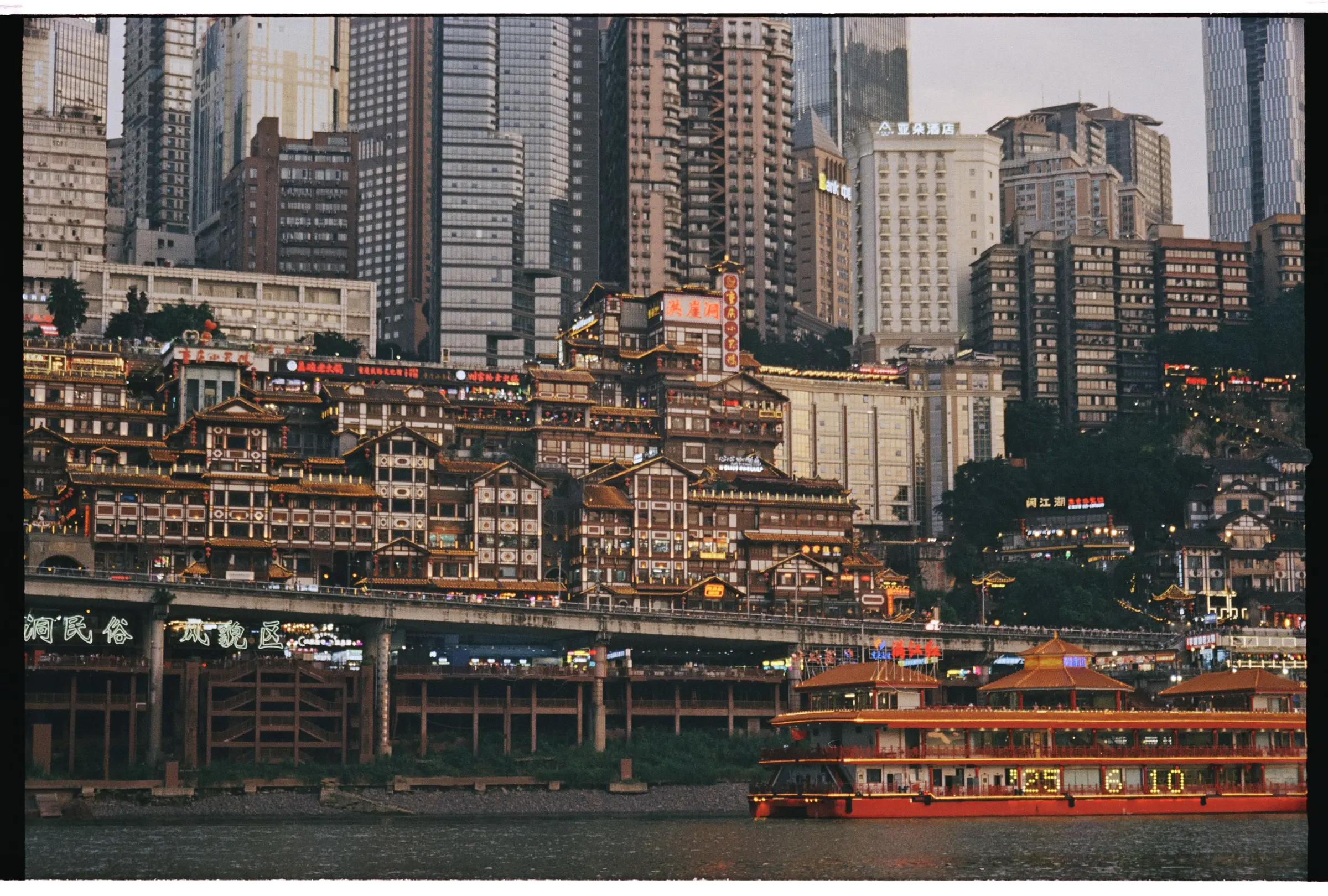
In Chongqing, a building entrance, a road deck and another street can occupy different floors of the same block.LEVEL +12PLAZA / ROOF
LEVEL +6MONORAIL / STATION
LEVEL 0?ROAD / SHOPS
LEVEL −8ANOTHER STREET
03 / STAIRS
THE SHORTEST
ROUTE IS OFTEN UP.
Walking connects levels that a flat map treats as neighbors.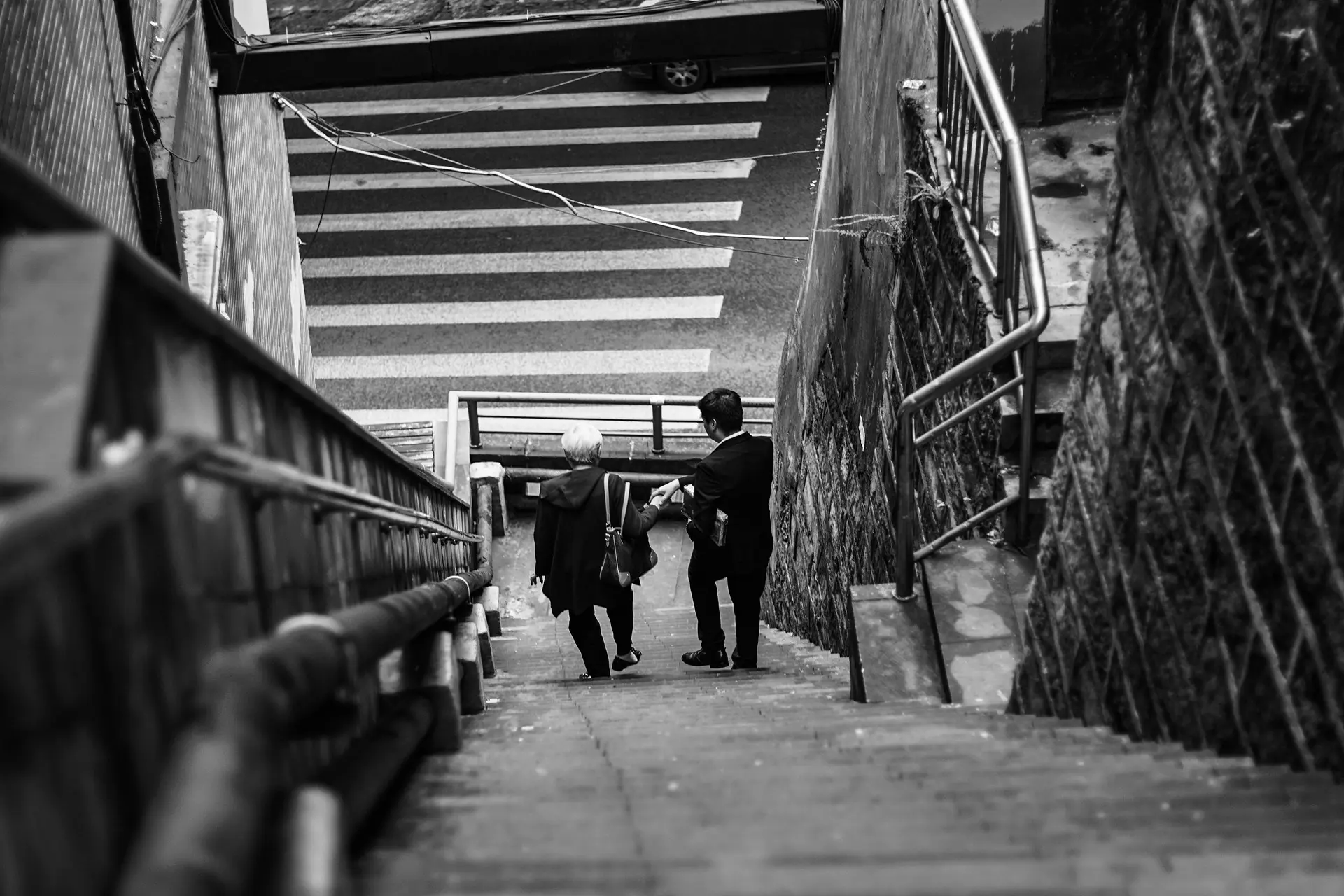
126STEPSELEVATOR AVAILABLE: NO
04 / TRANSIT
THE TRAIN
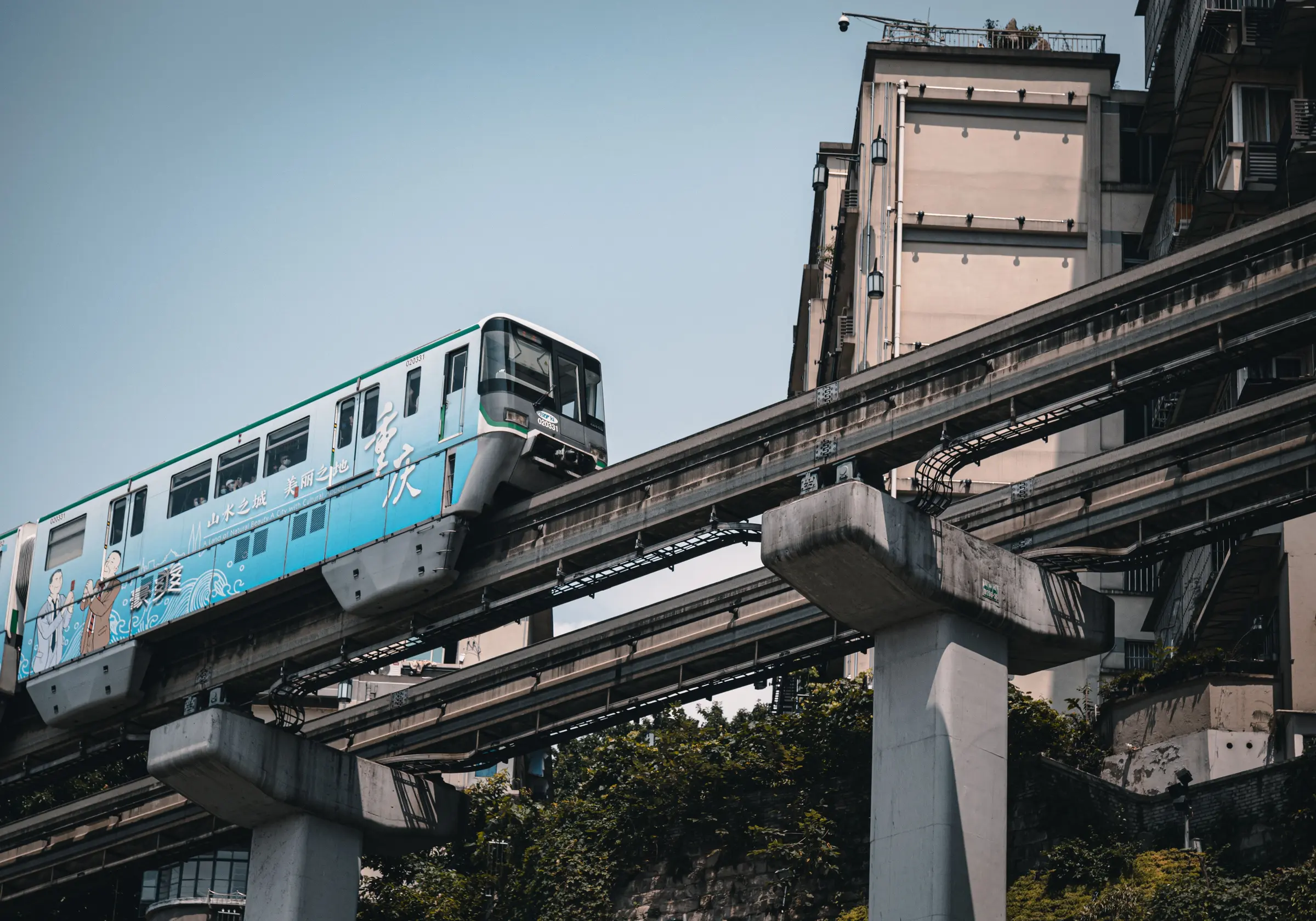
CHANGES ALTITUDE.
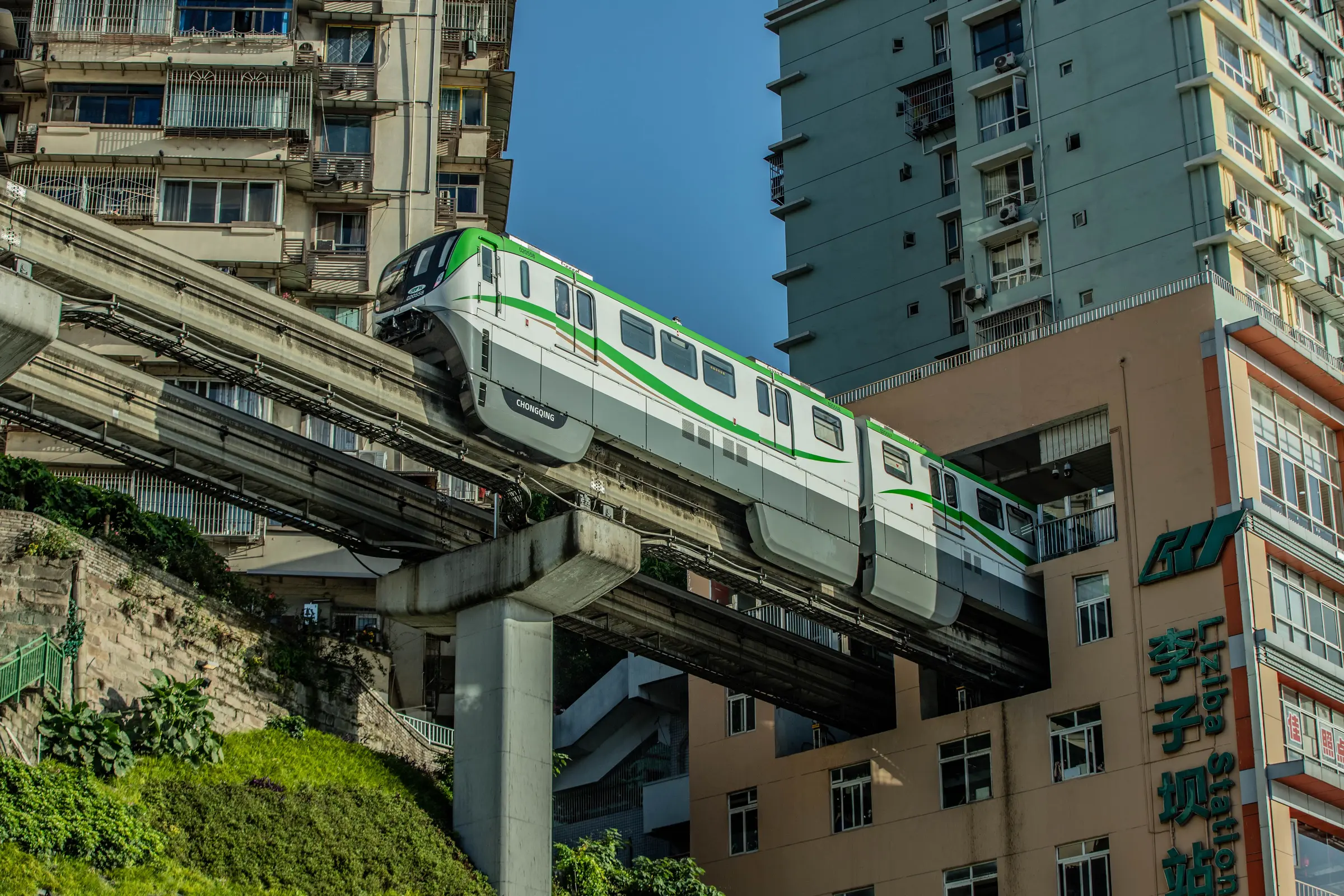
ELEVATEDINSIDE BUILDINGBRIDGERIVER EDGE
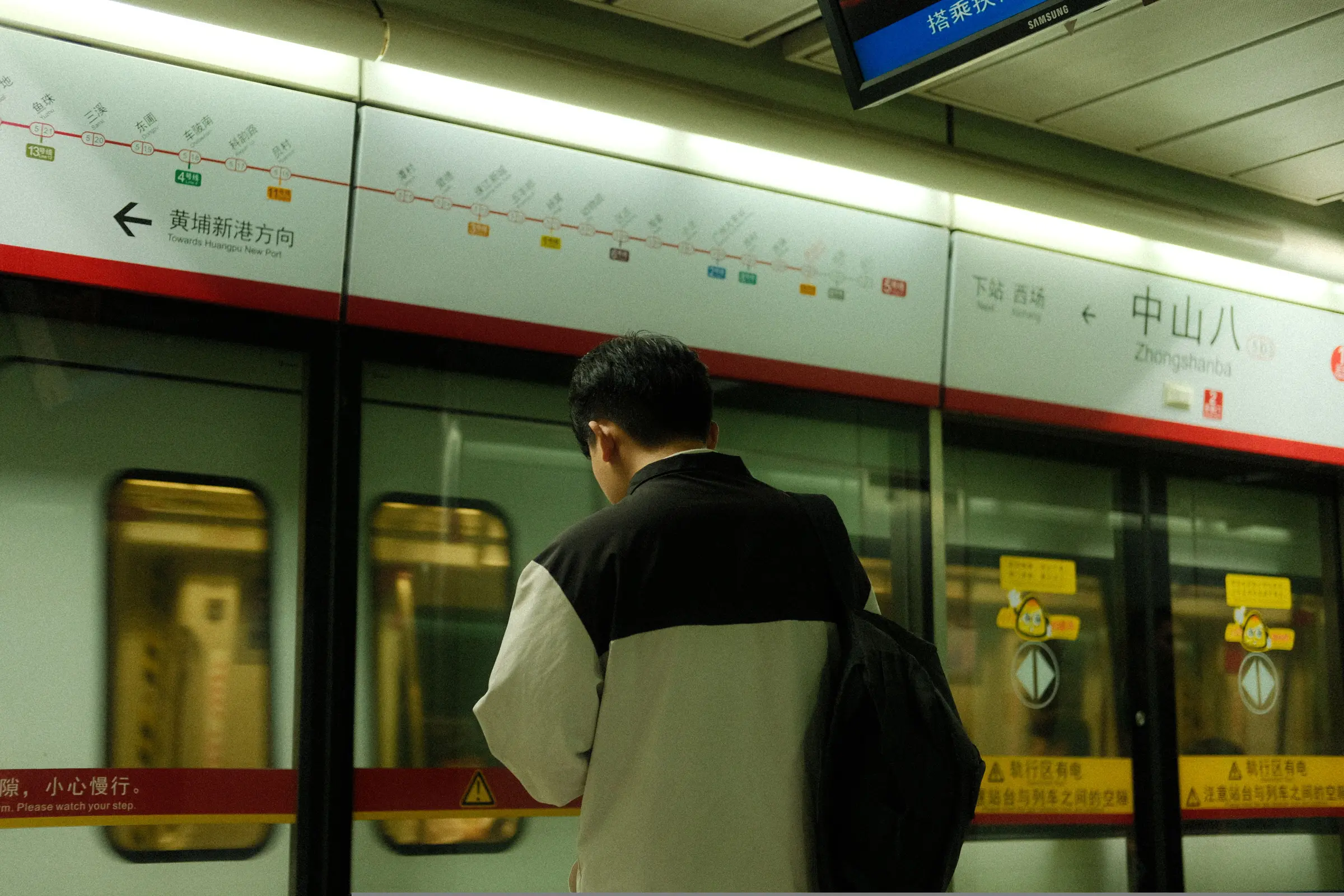
Li Ziba station sits on floors 6–7 of a residential building; Chongqing’s Line 2 turns the city section into ordinary transport.
PAUSE / ABOVE THE YANGTZE
1987
The Yangtze River Cableway entered service on 24 October 1987. Crossing the river became a piece of the skyline.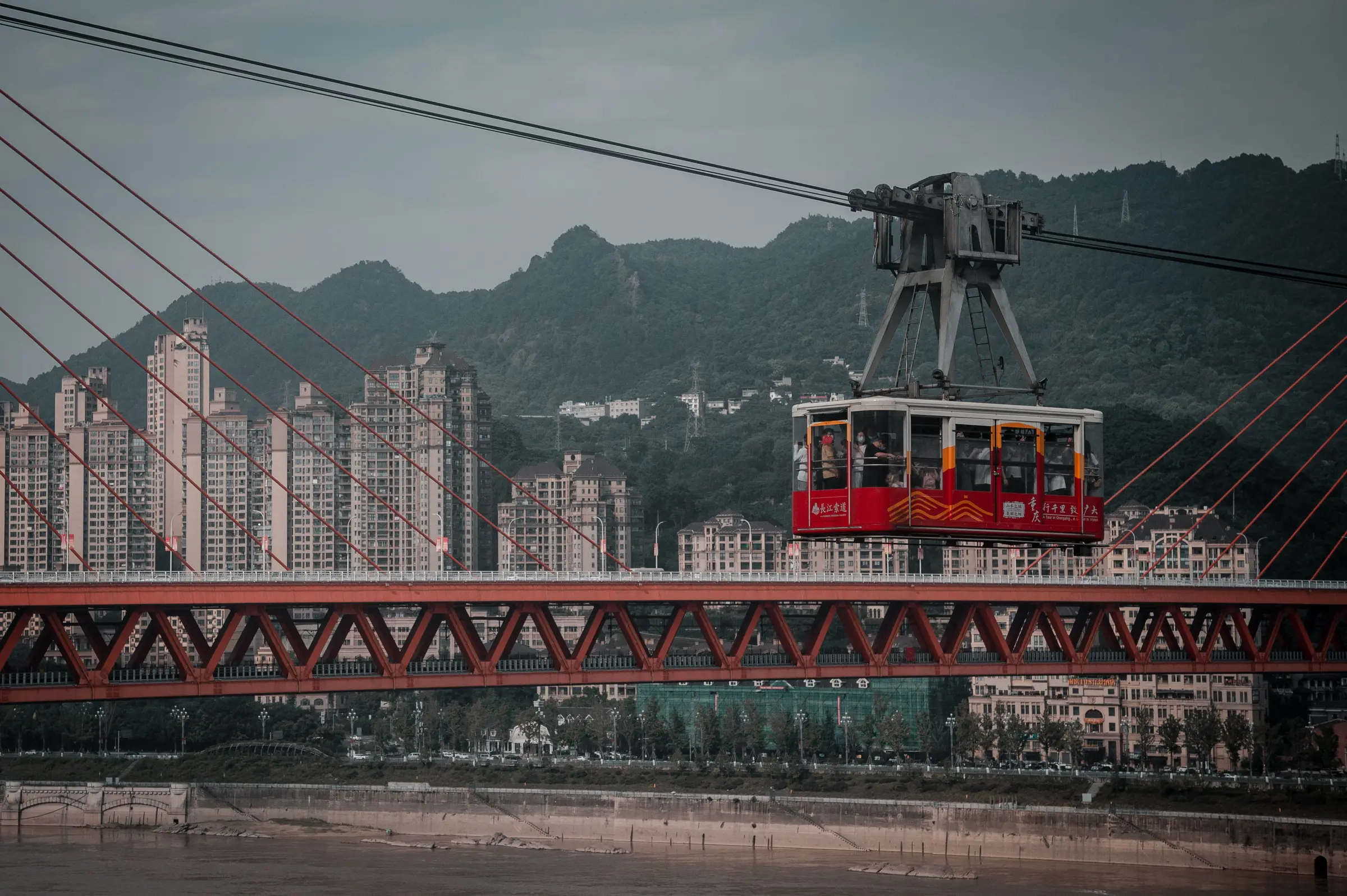
05 / BRIDGE CITY
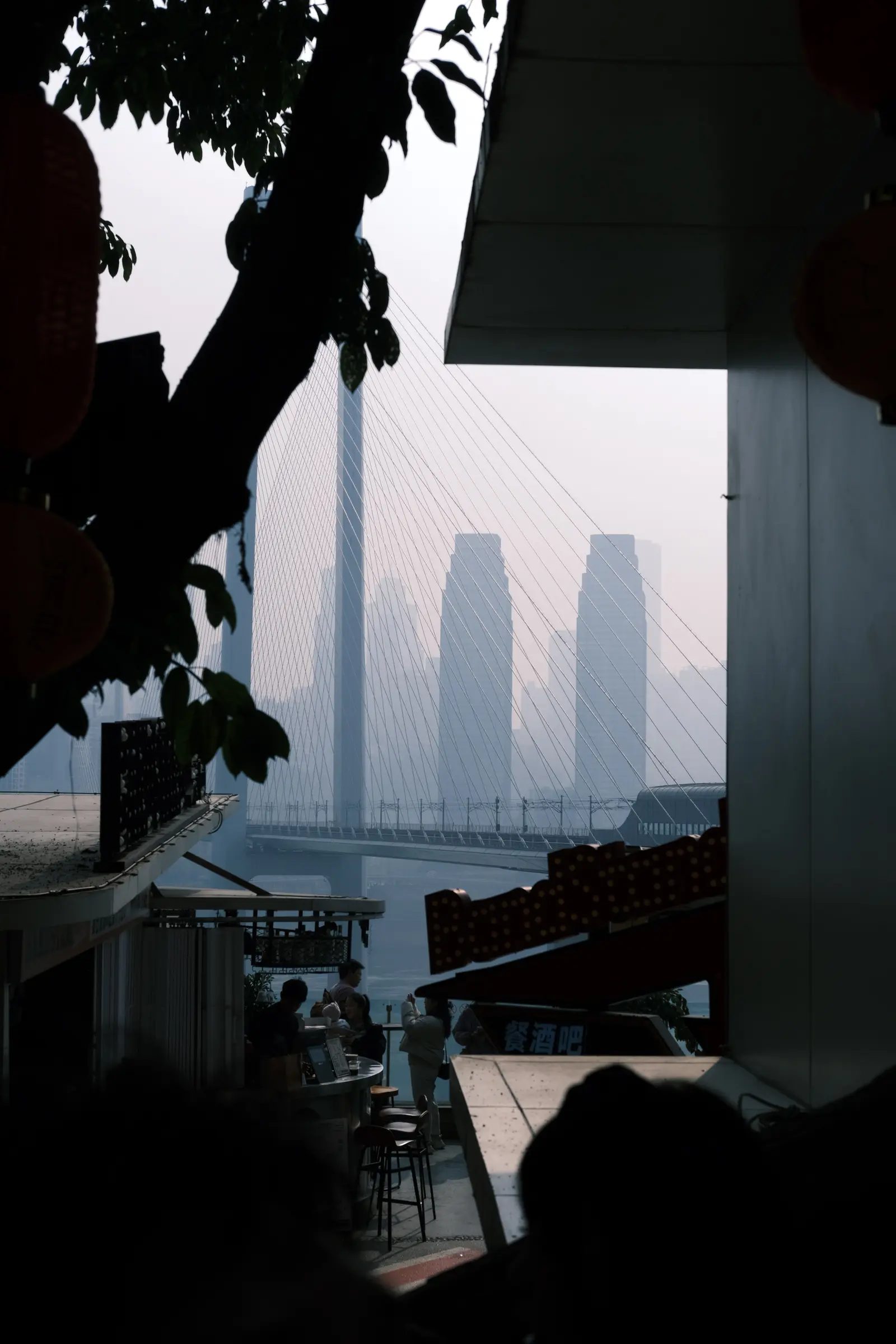
VERTICAL SCROLL.
HORIZONTAL CROSSING.
01 / RIVERTHE GAP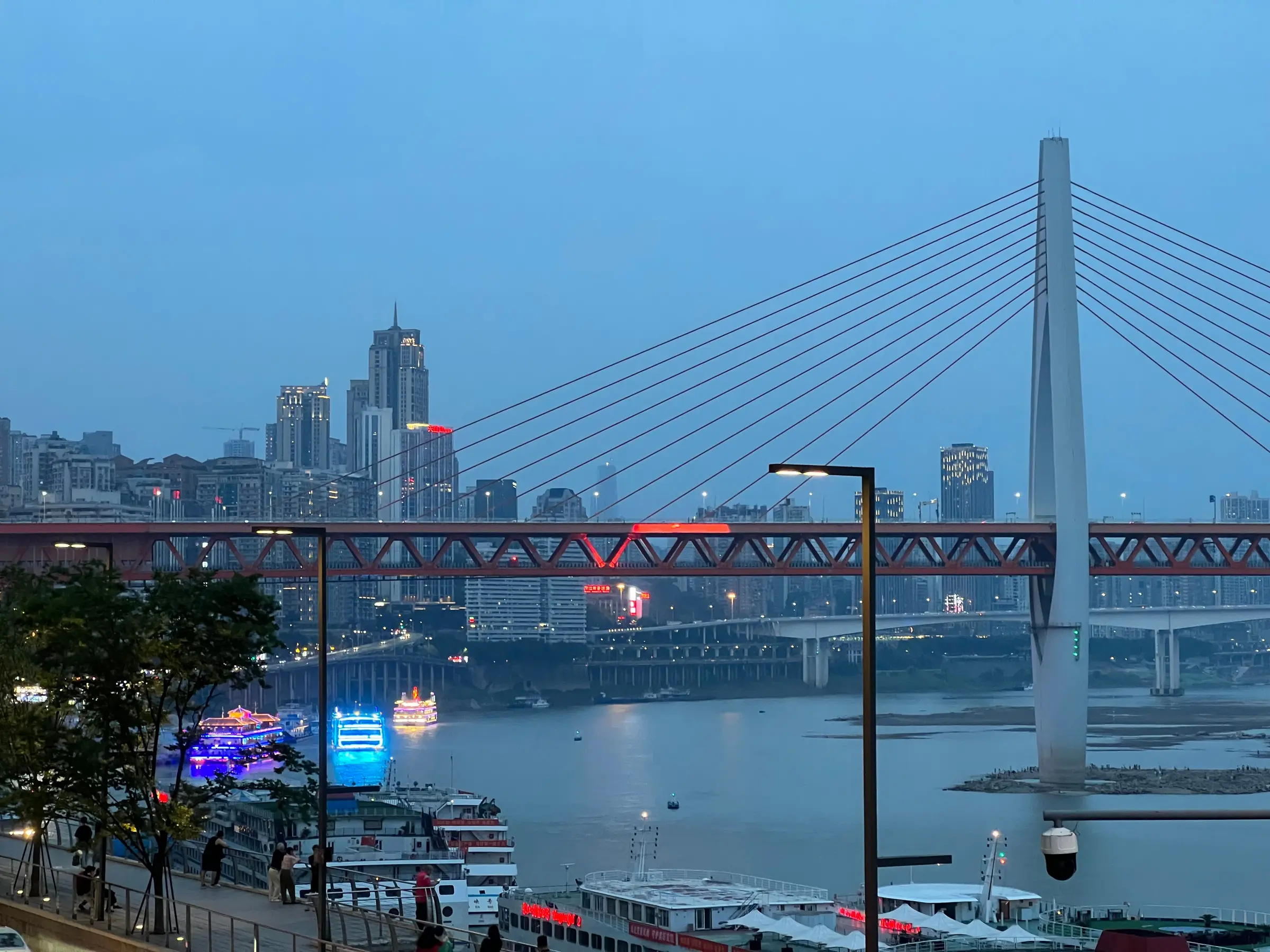 02 / DECKTHE CONNECTION
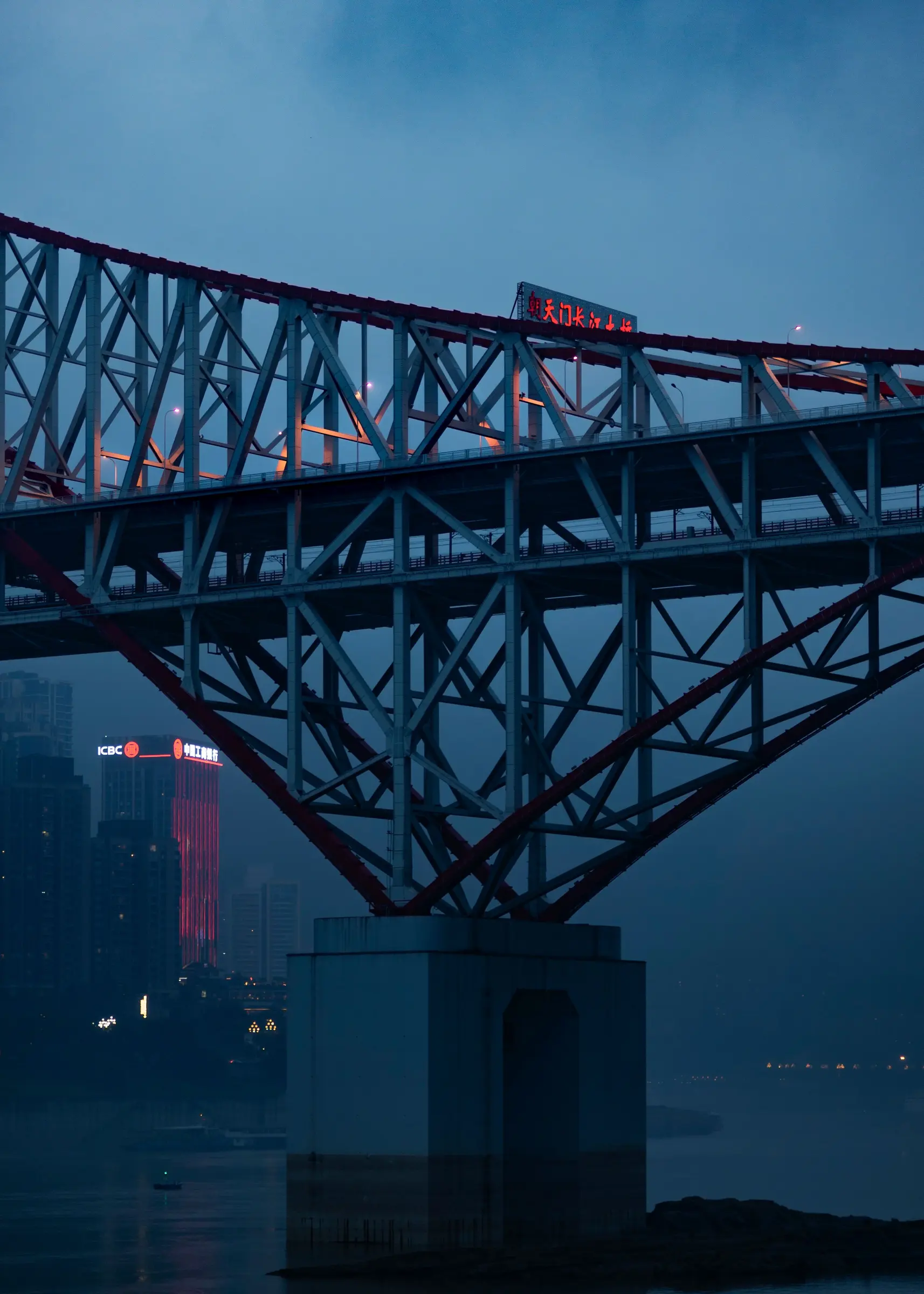 03 / STEELTHE STRUCTURE
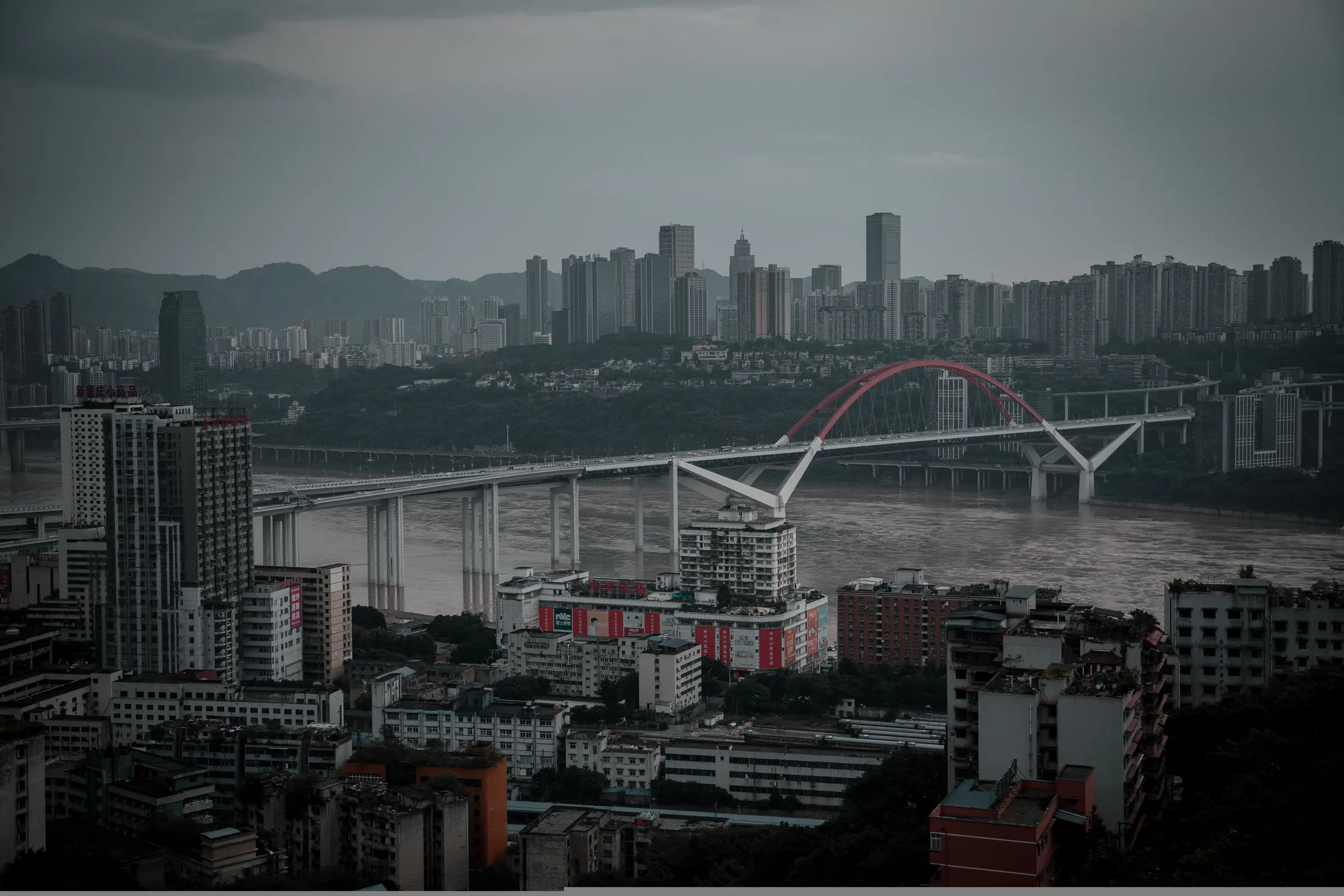 04 / CITYTHE NETWORK
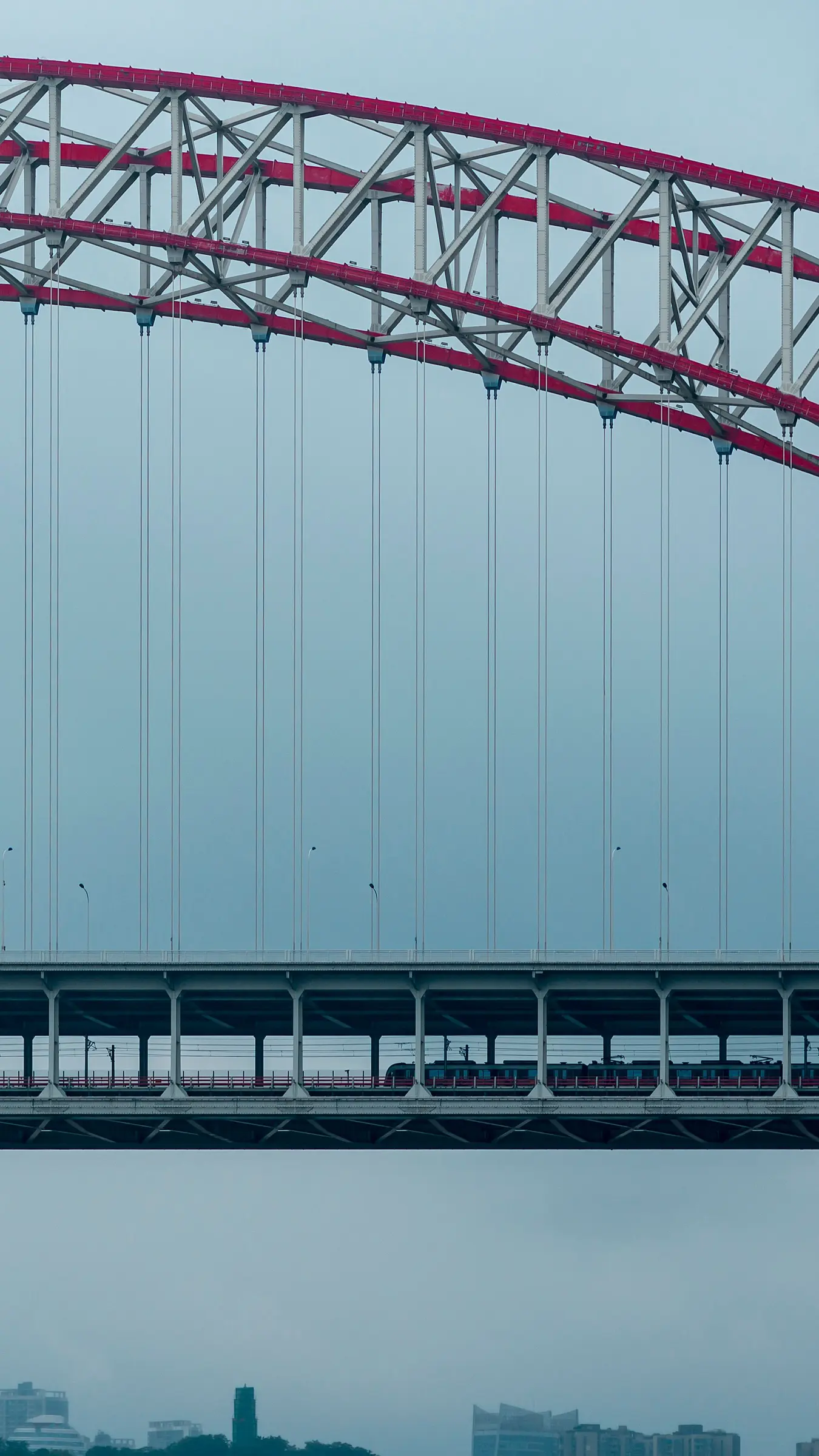 05 / DETAILRED STEEL
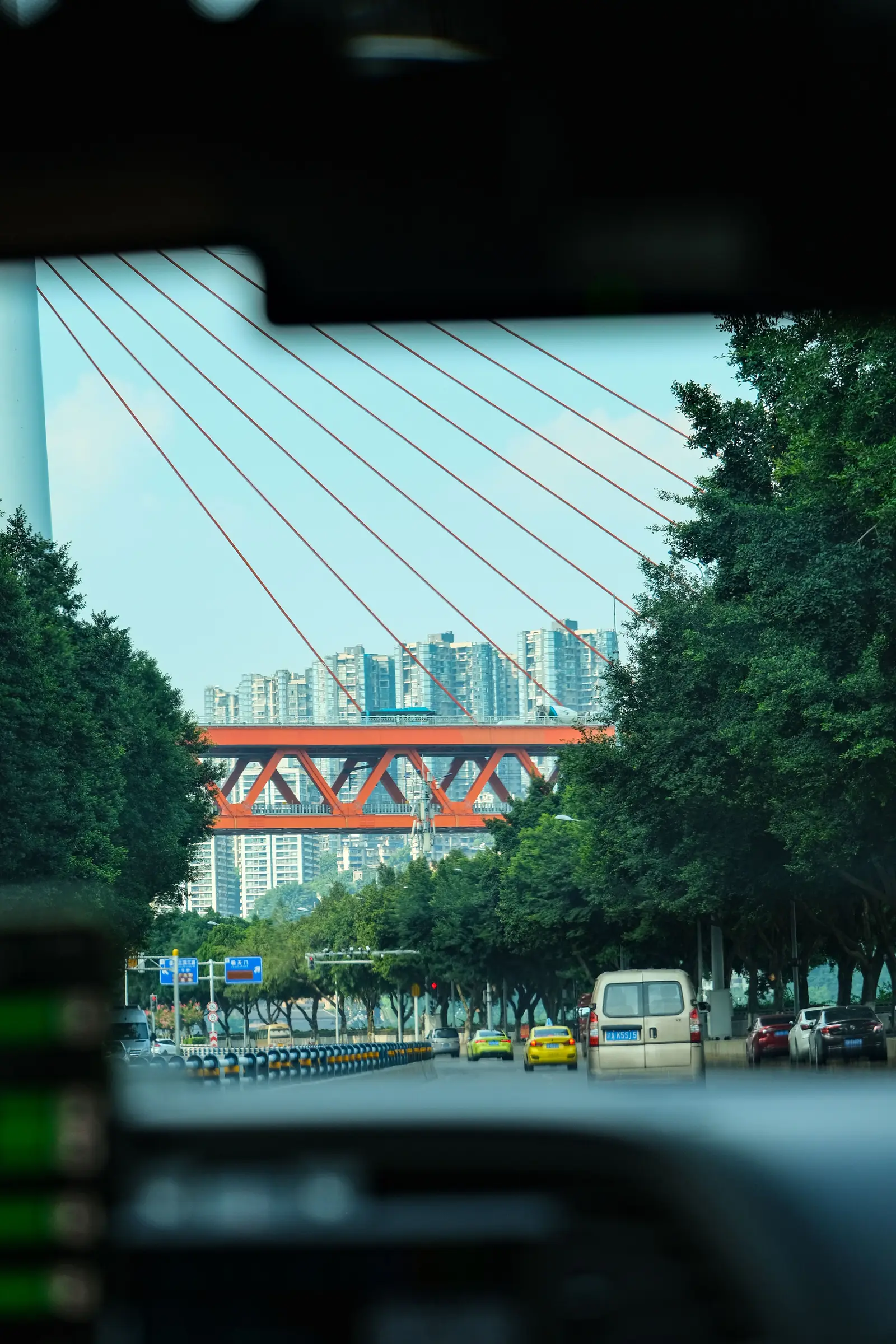 06 / DECKDAILY CROSSING
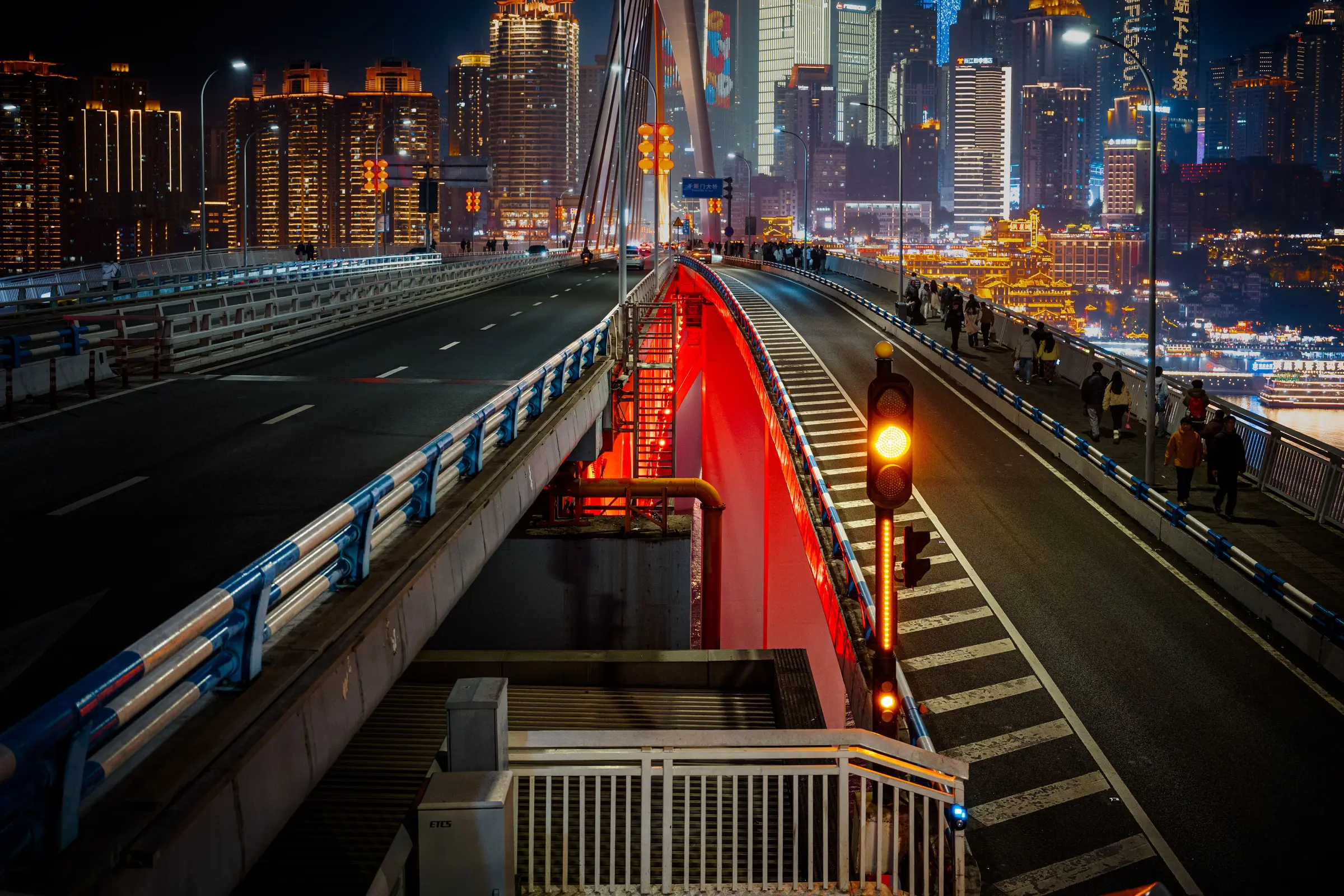
FIELD MOTION / TWO RIVERSTHE BRIDGE IS
PART OF THE SKYLINE.
PART OF THE SKYLINE.
06 / HEAT AT STREET LEVEL
THE CITY
BOILS.
Chongqing hotpot is also called maodu hotpot because beef tripe is one of its defining ingredients. Local chronicles trace the form to river and wharf life around the Qing Daoguang era; in 1926 it moved from portable stalls into restaurant dining.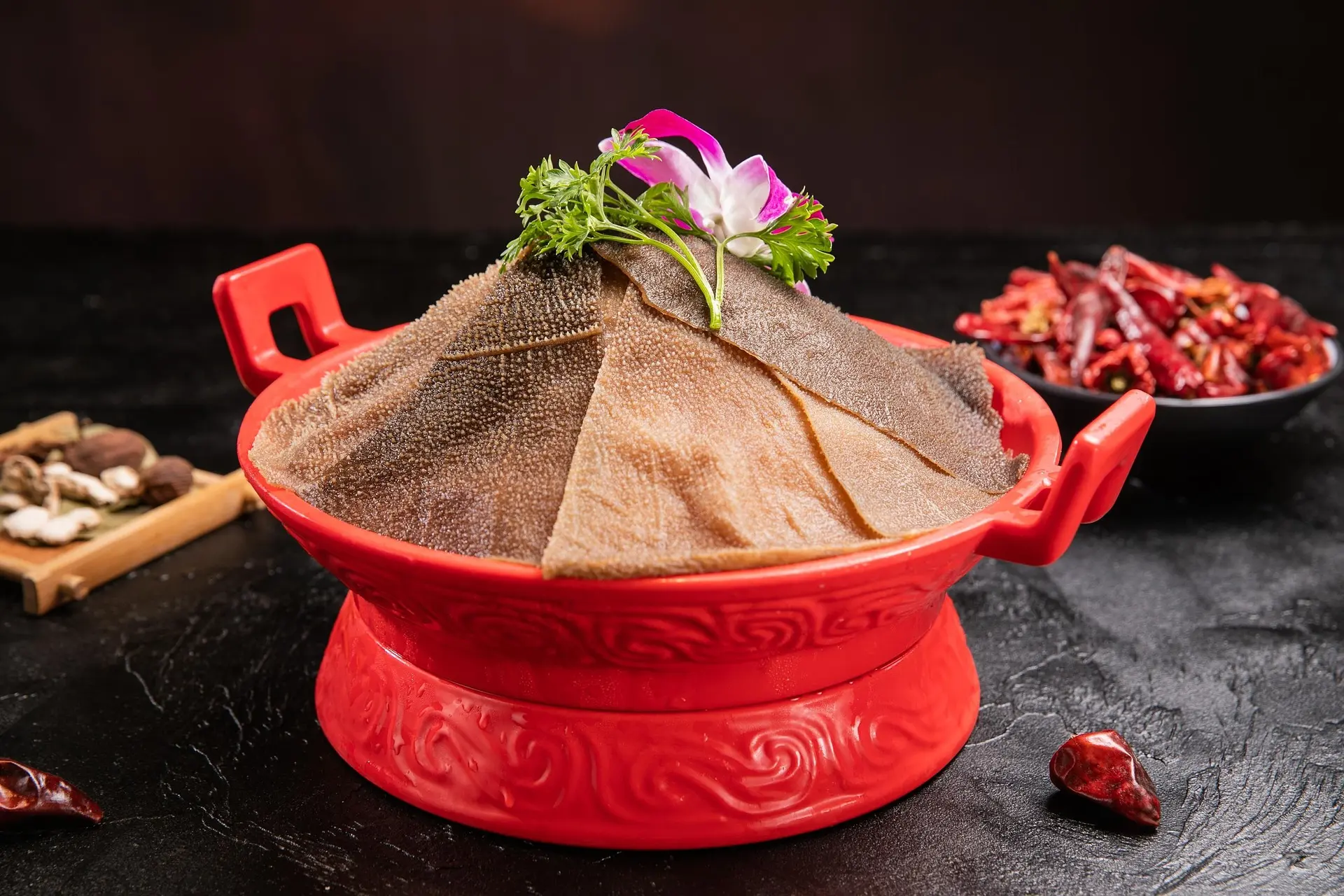
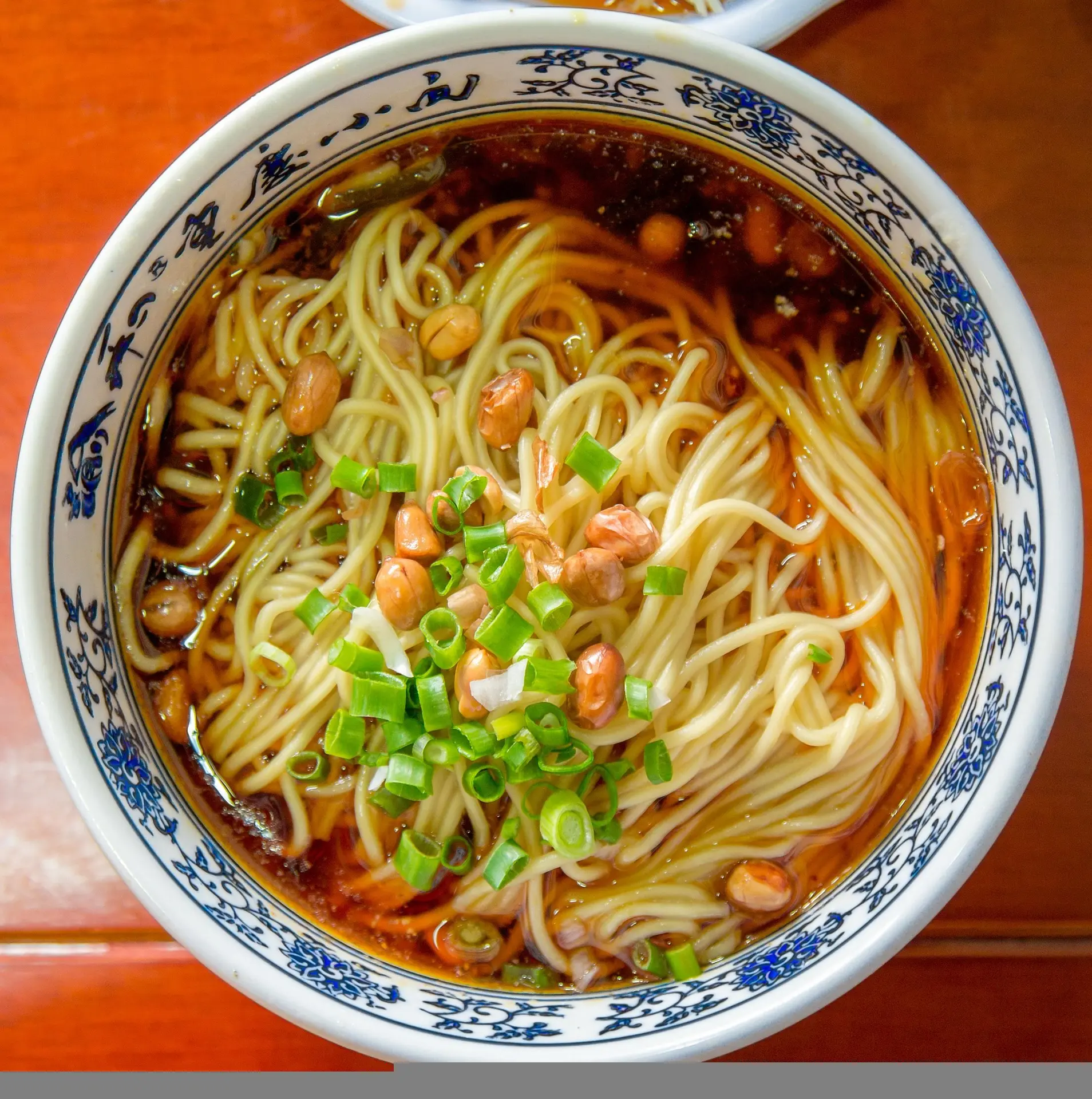
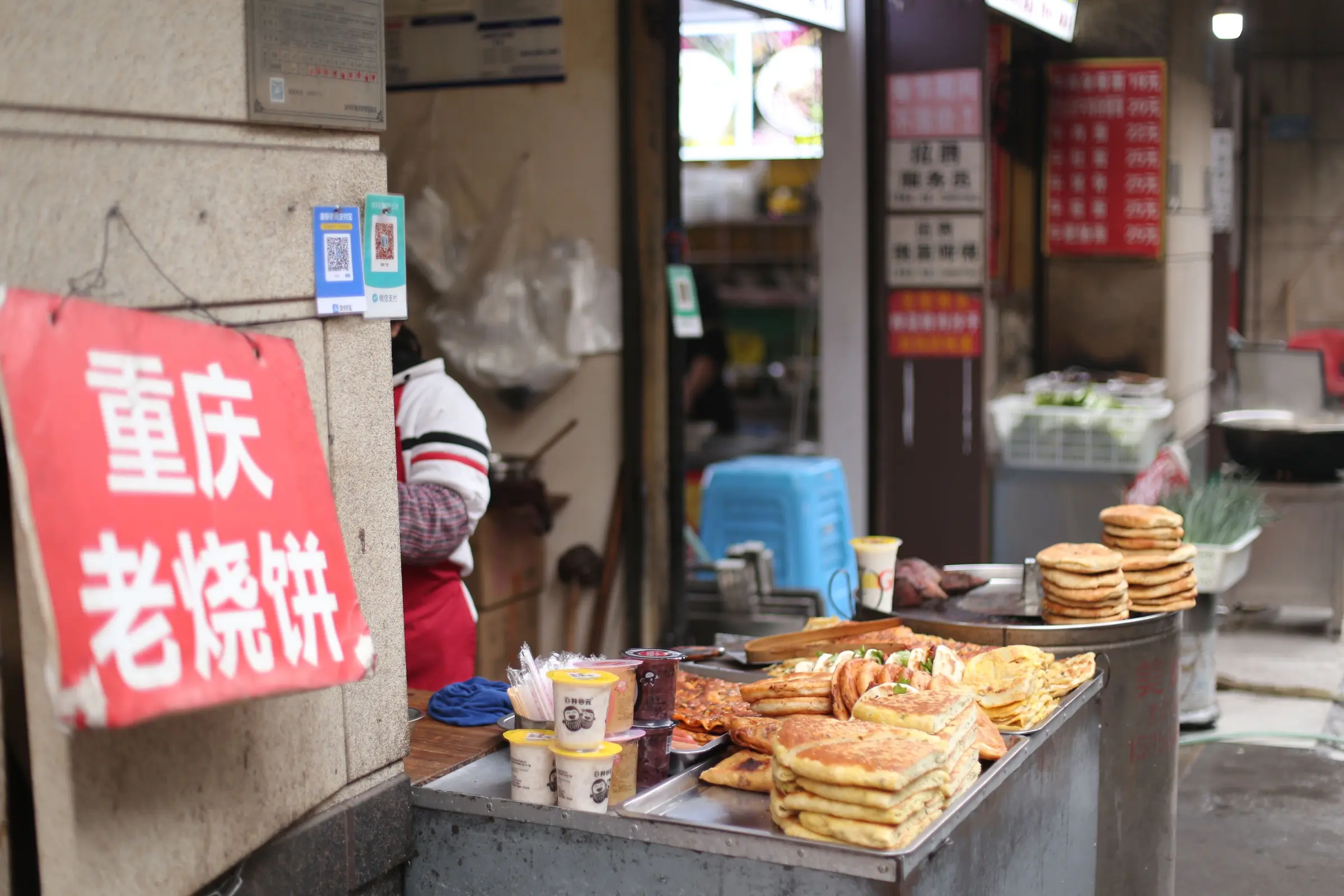
DAOGUANG ERAApproximate origin recorded in Chongqing local chronicles.
毛肚火锅Tripe is central enough to give the style another name.
2019Chongqing hotpot and Chongqing xiaomian techniques appear on the municipal intangible-cultural-heritage list.
07 / VERTICAL LIFE
THE CITY
IS A SECTION.
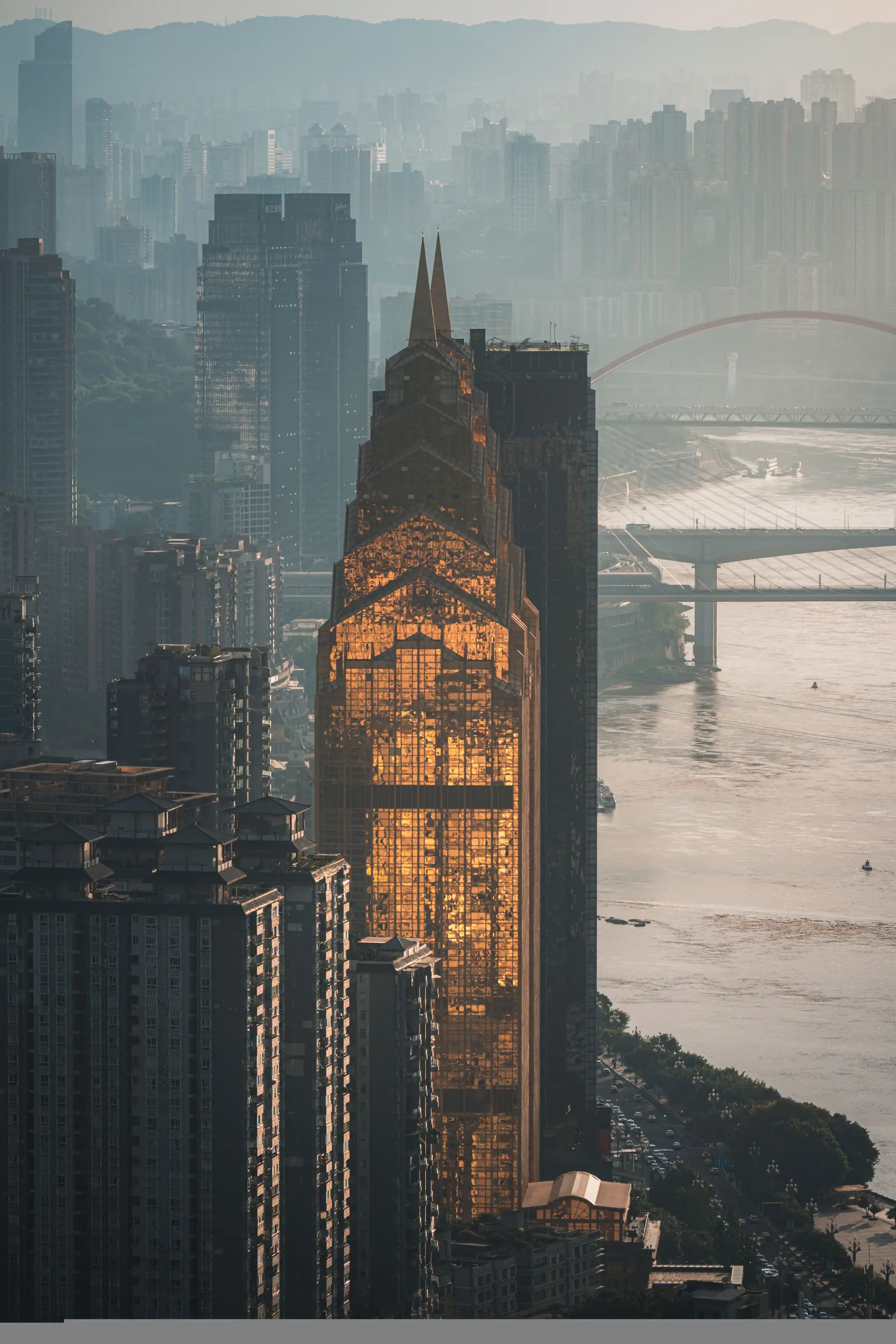
Transit, kitchens, shops, apartments and bridges occupy different heights but share the same address.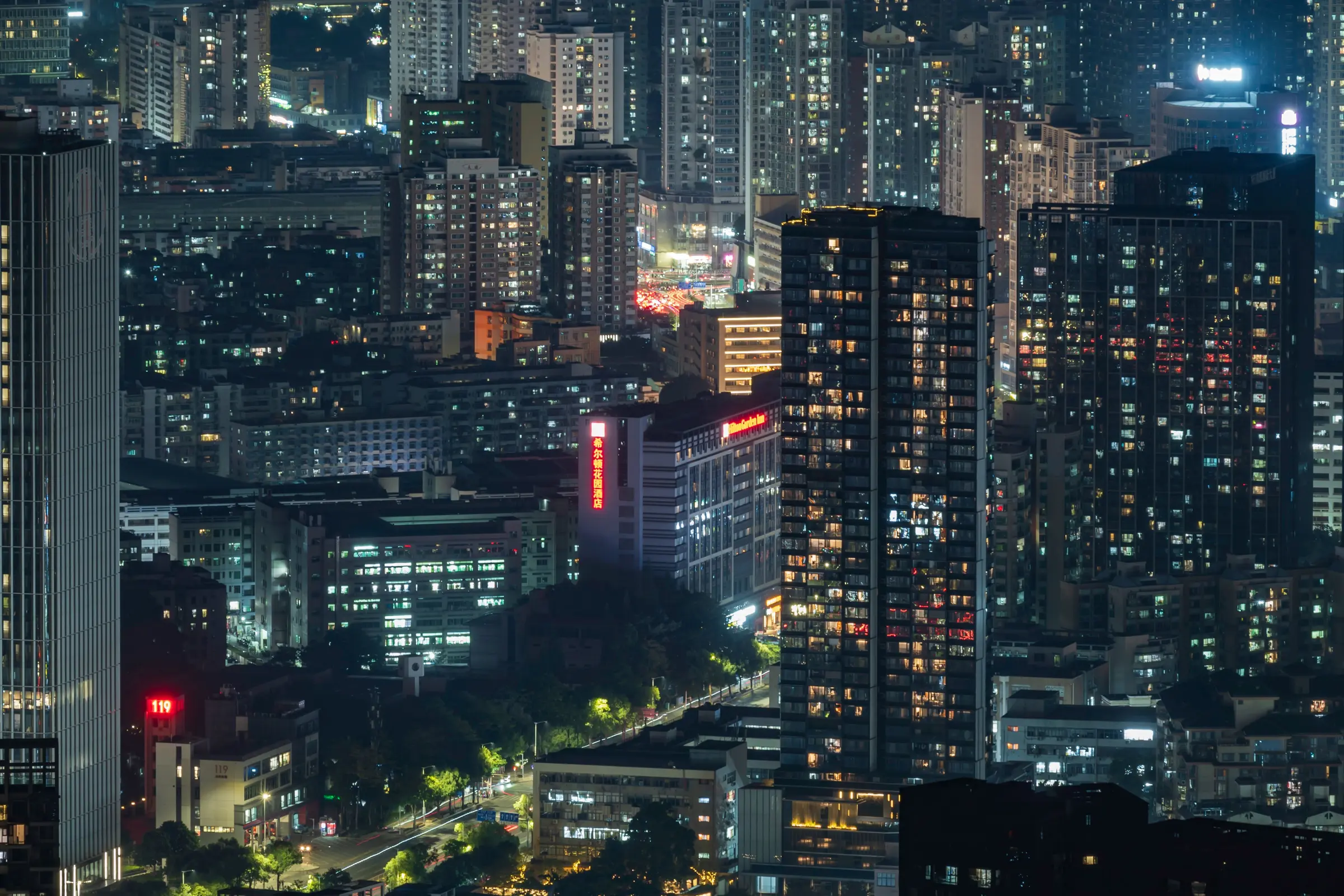
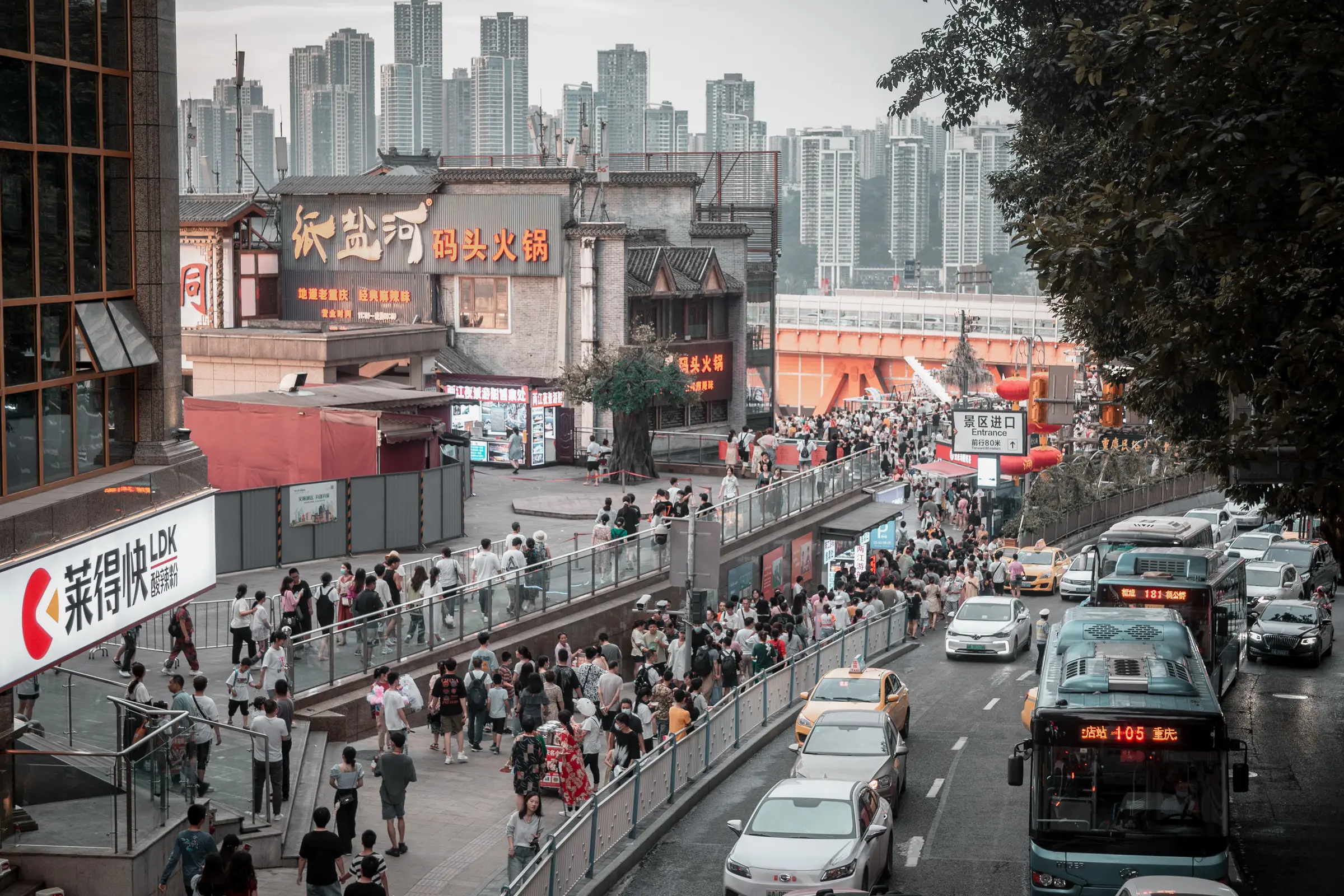
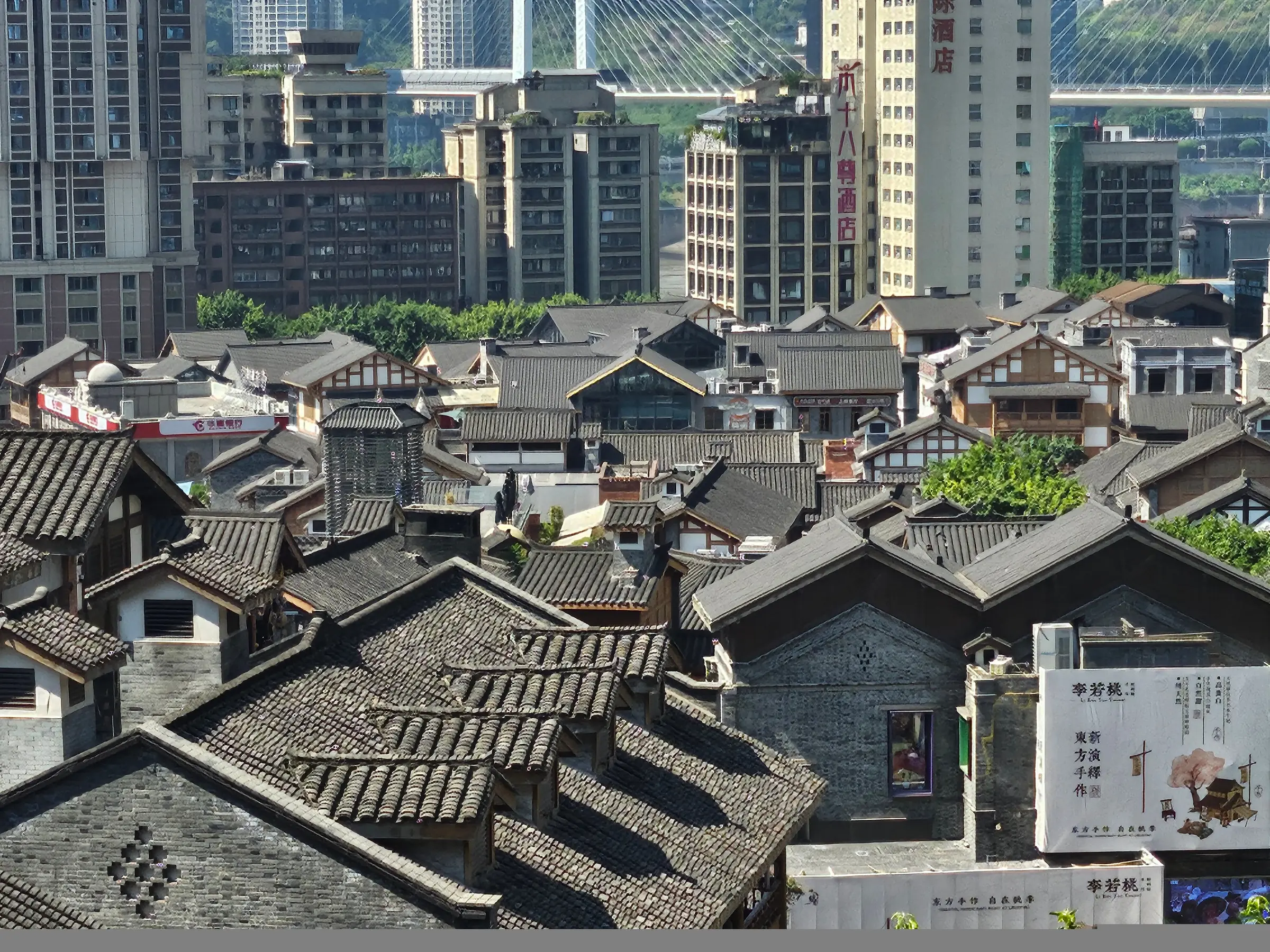
DETAILS THAT
DON'T FIT A MAP.
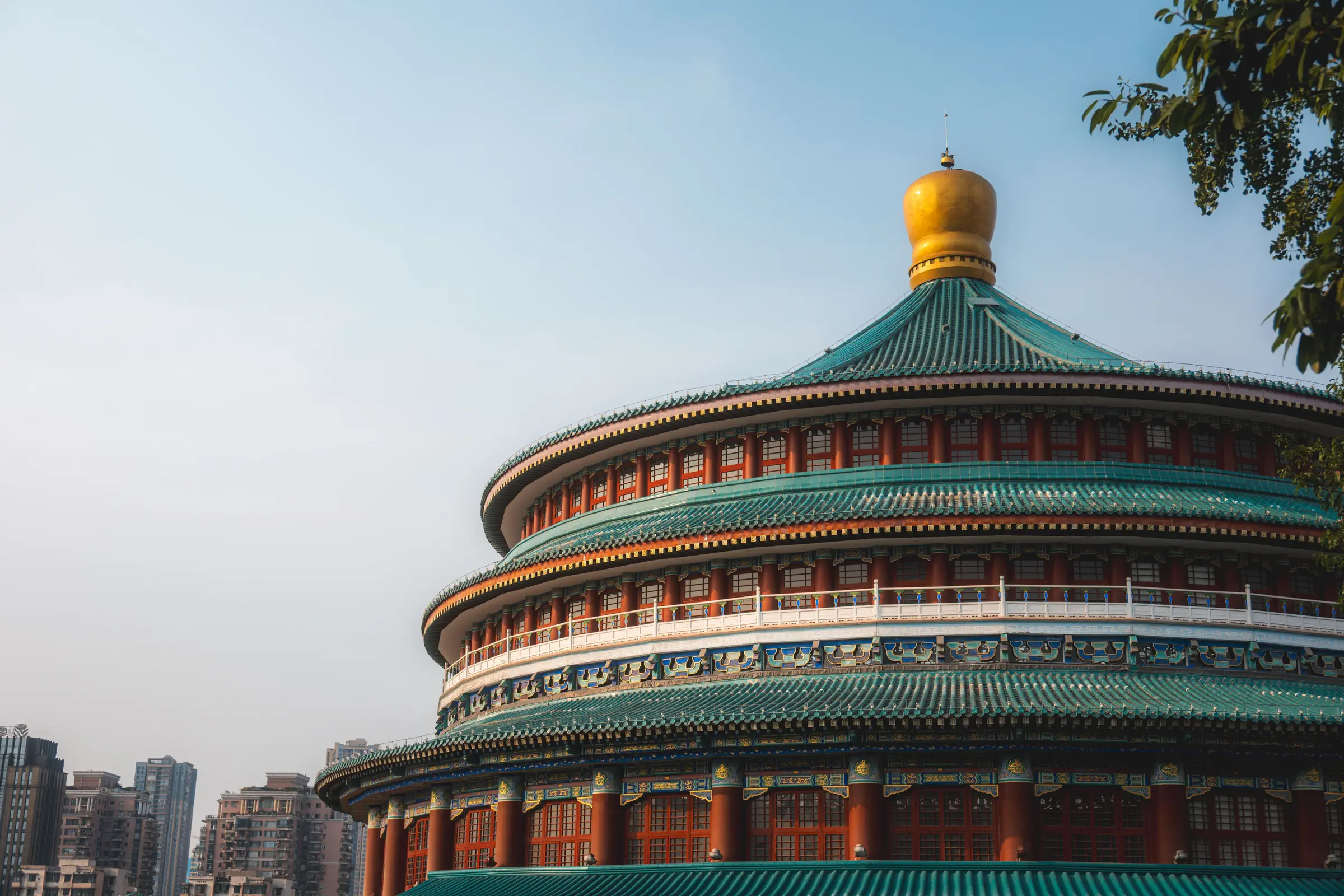
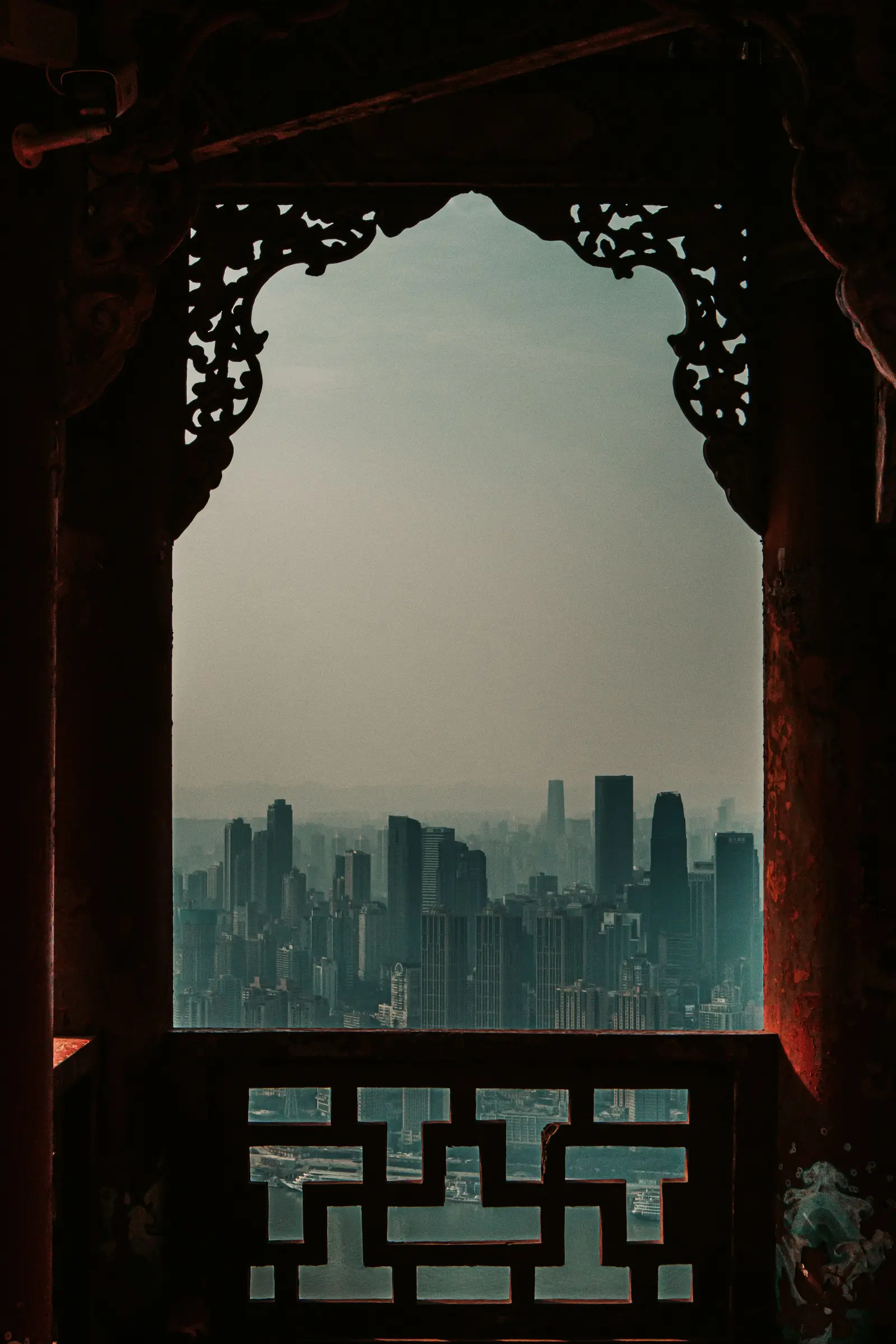
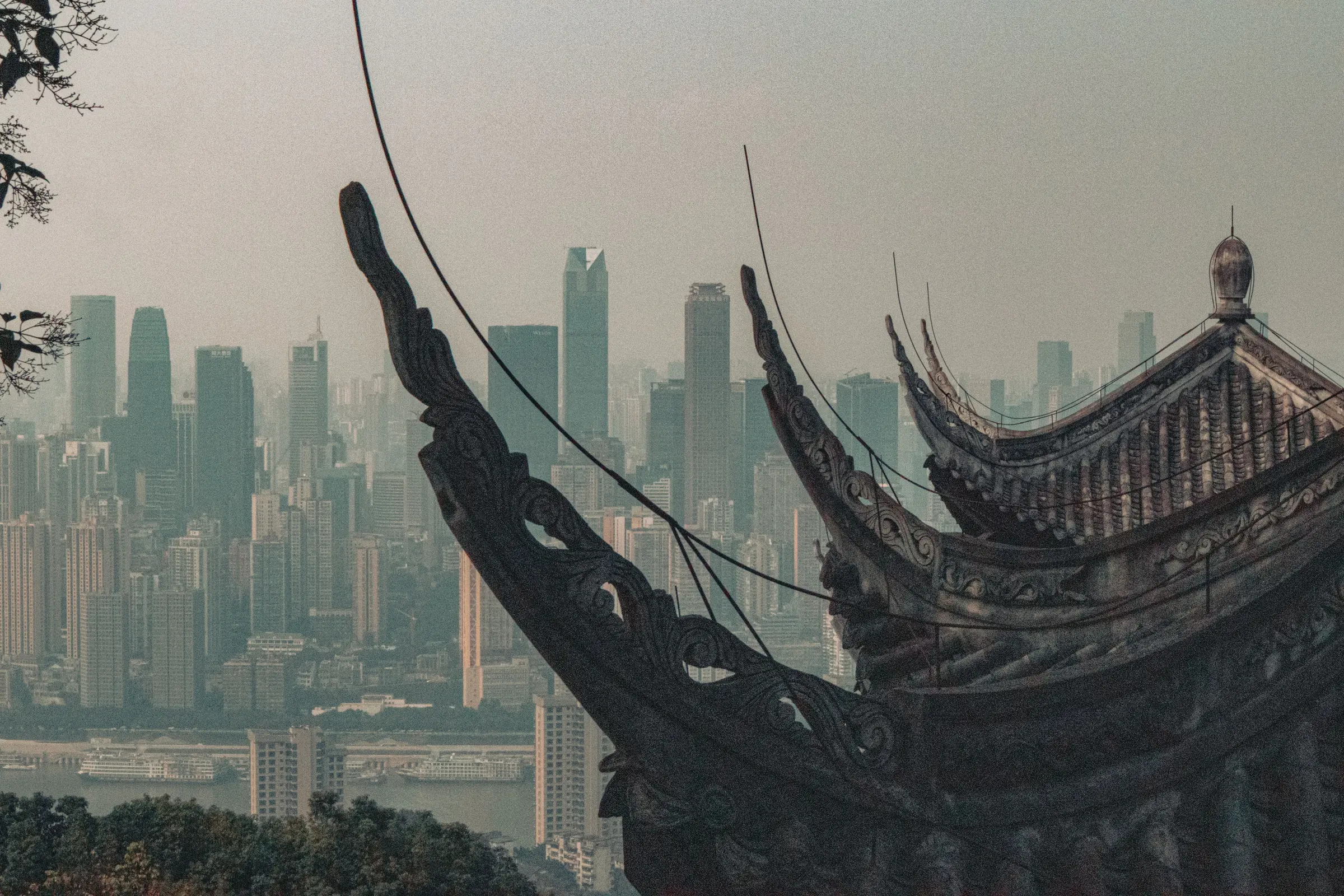
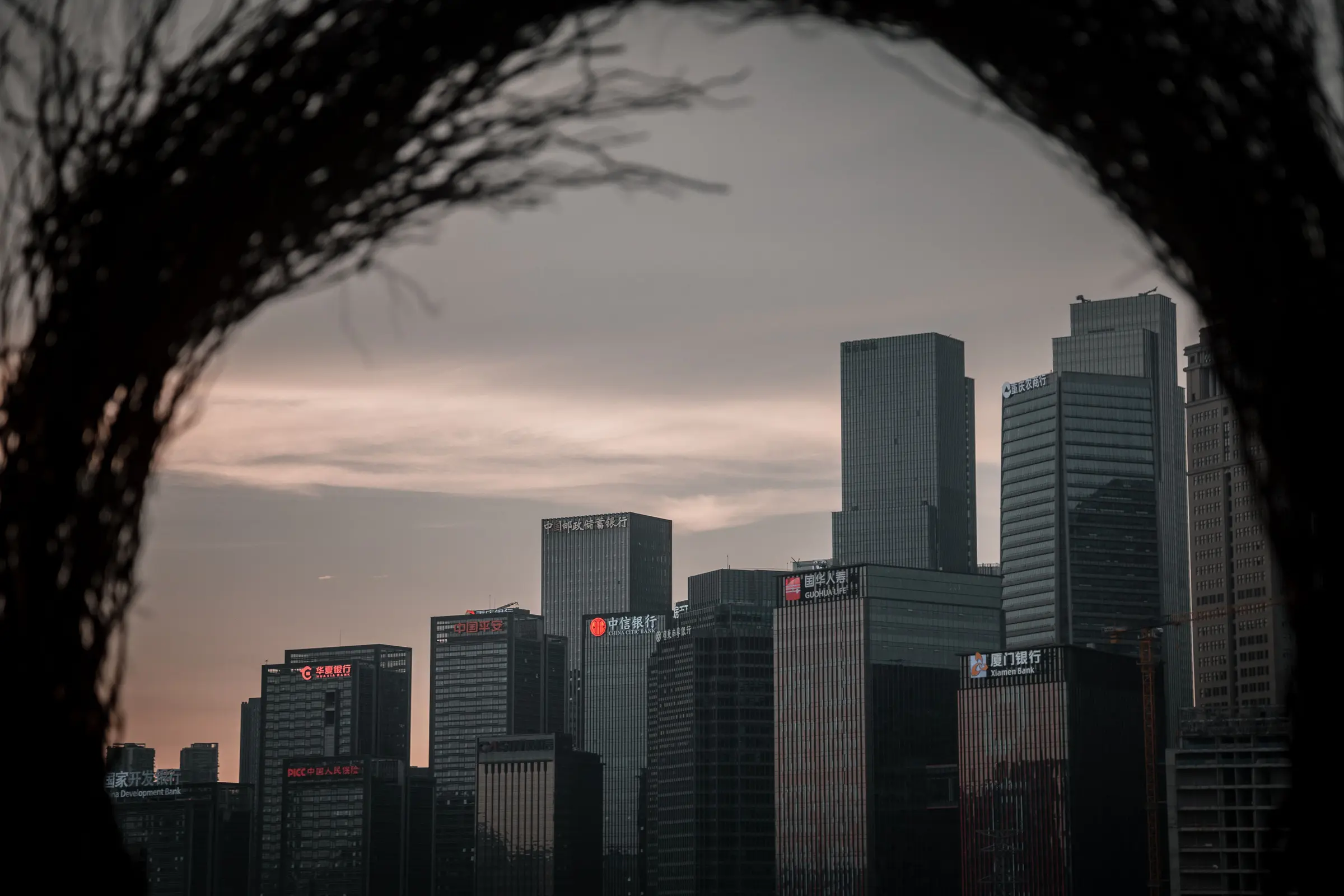
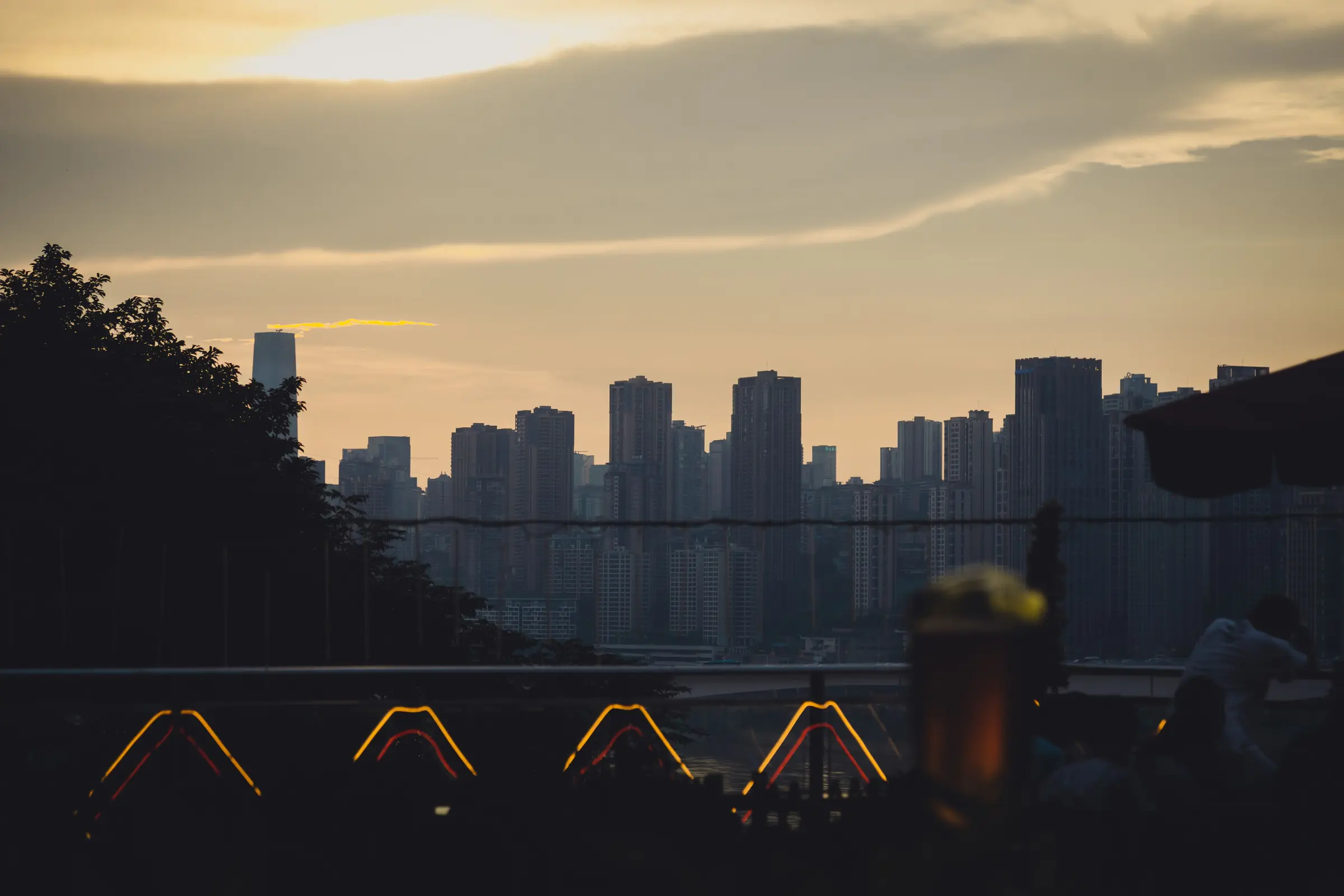
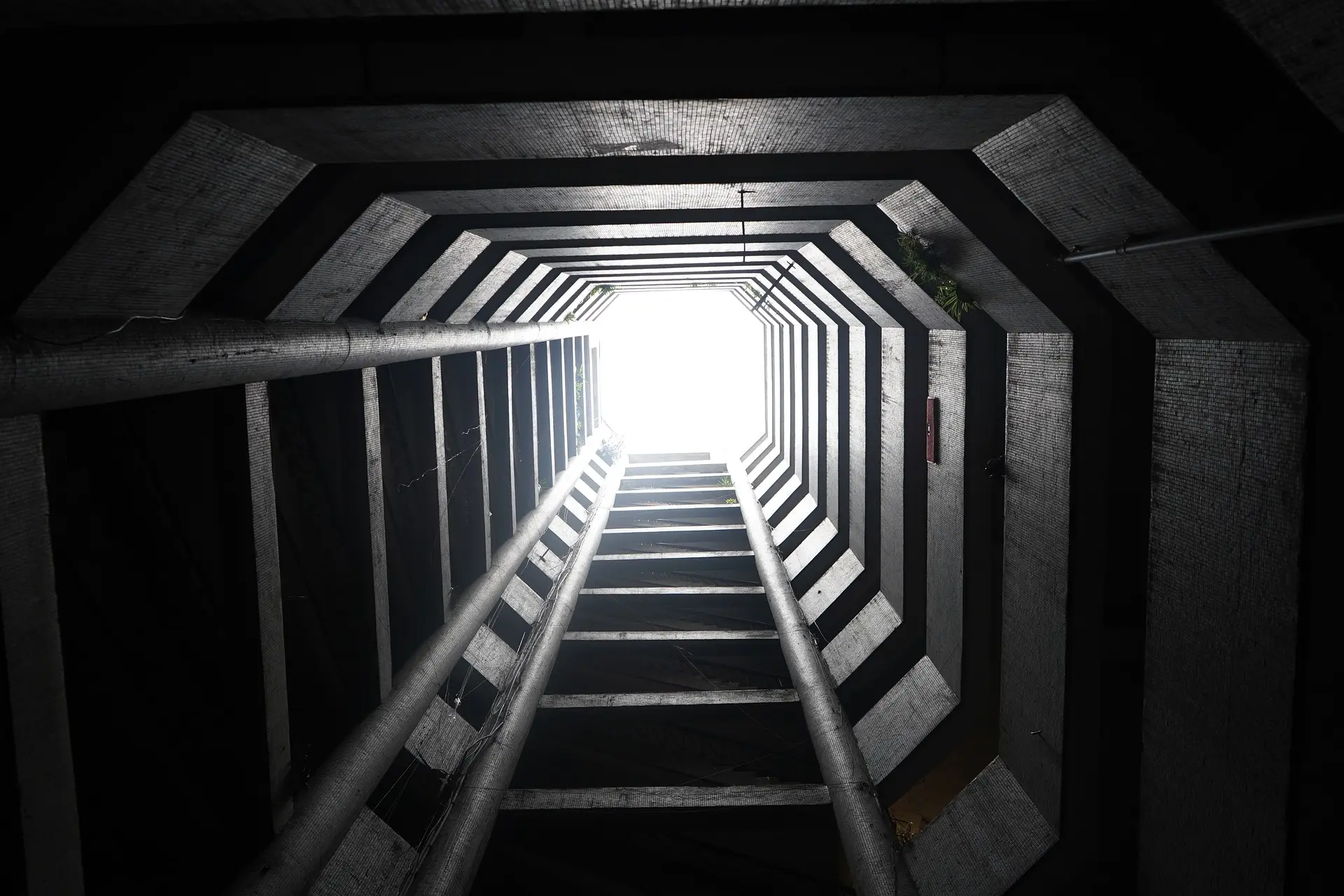
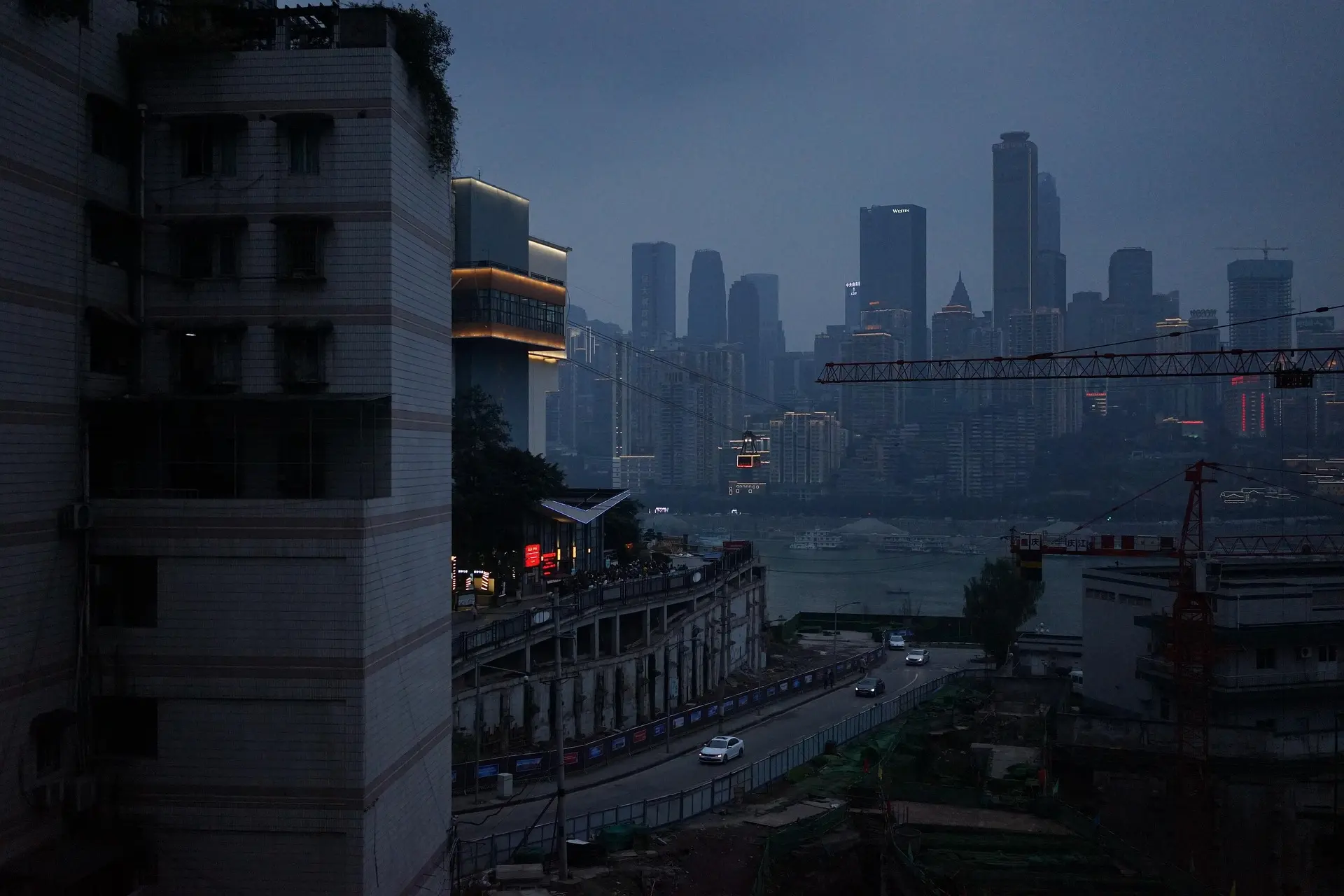
Roofs, civic monuments, signals, windows and fragments of infrastructure. The city is easier to understand through repeated cuts than one postcard view.
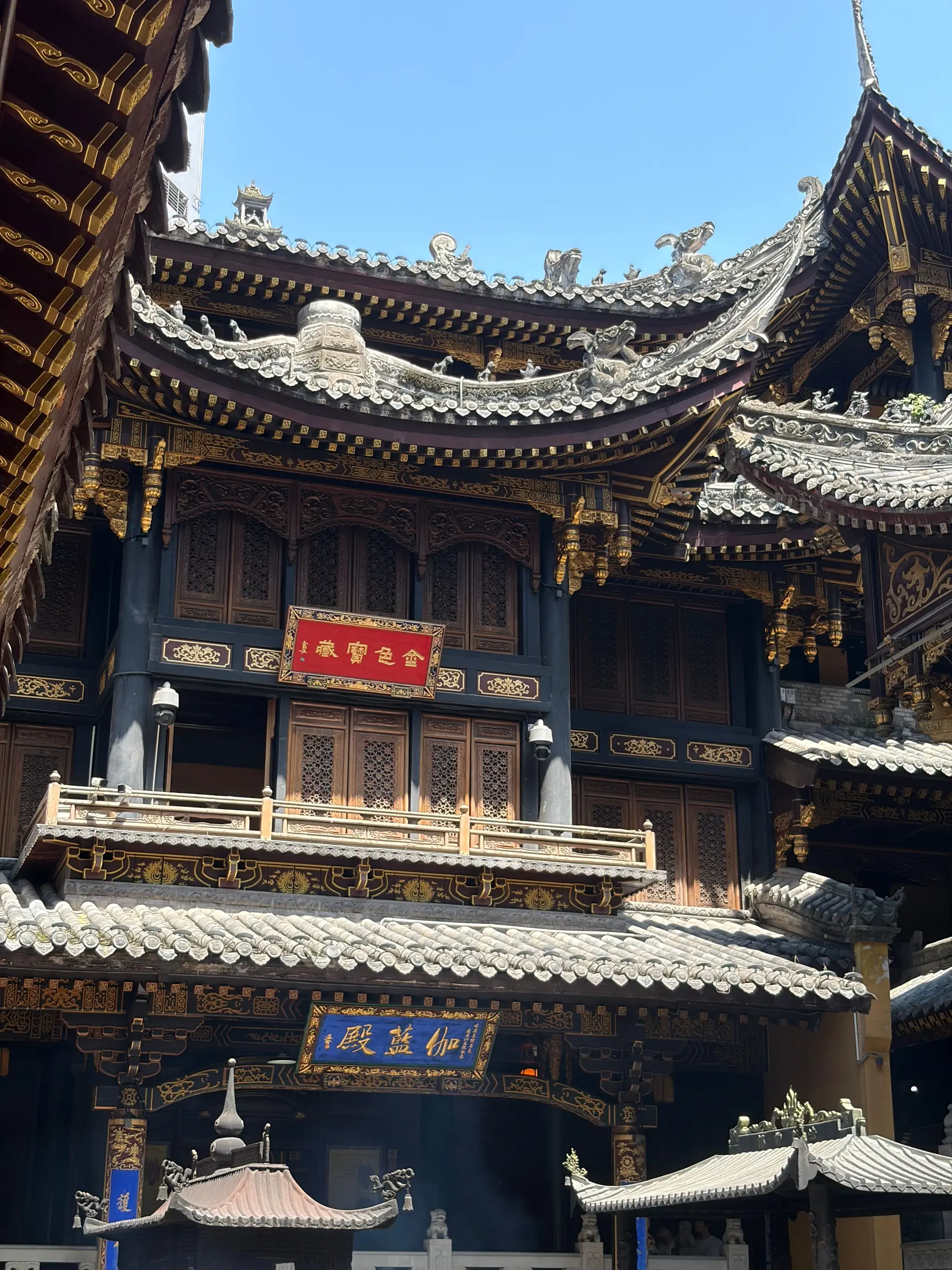
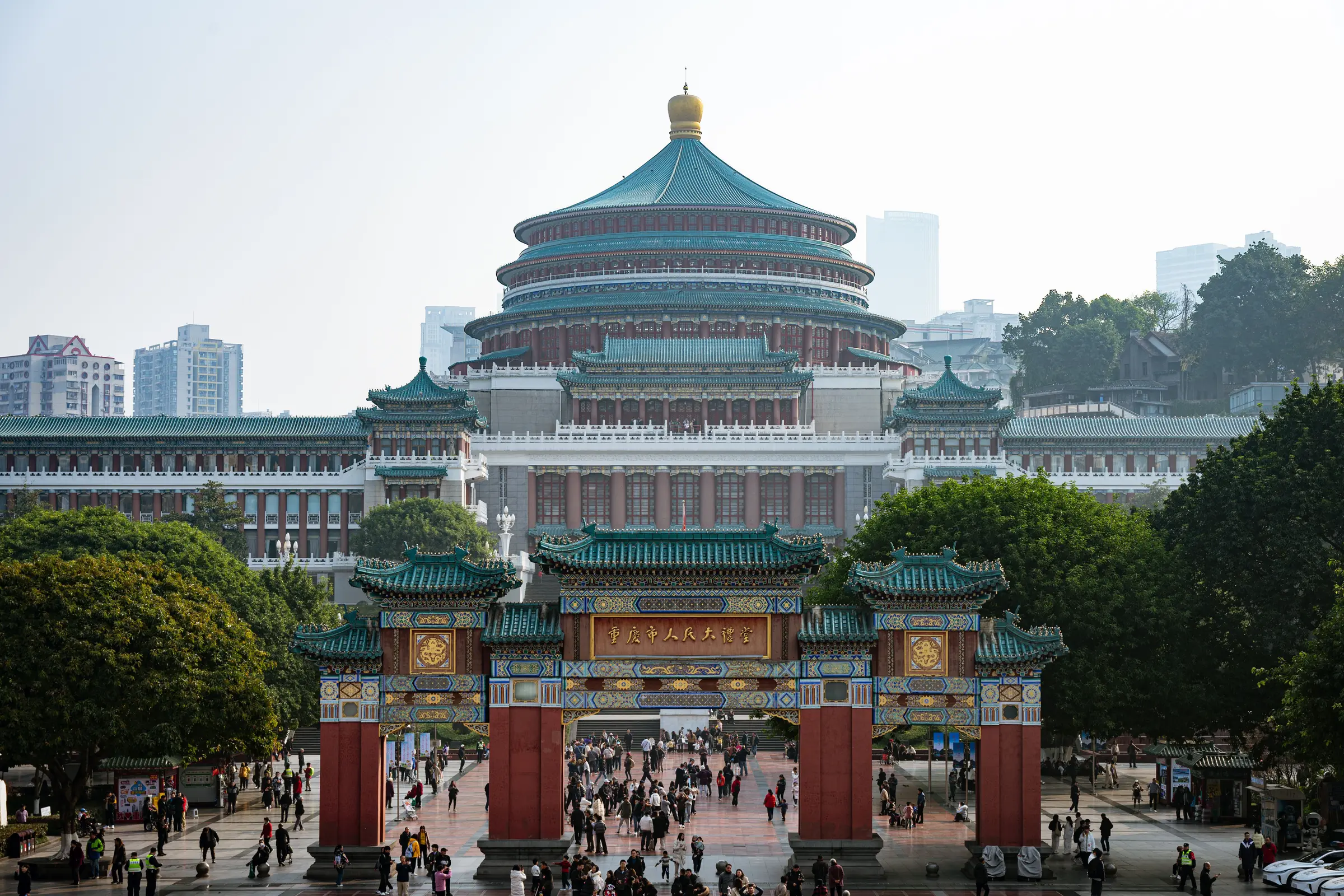
09 / OLD CHUNGKING
THE SLOPE
WAS ALREADY THERE.
Before towers, the same peninsula was already negotiated through walls, roofs, docks, stairs and steep riverbanks.


CHONGQING / WARTIME READER 07作家笔下的城市FOLIO 01—03
CITY IN WORDS / 06
CHONGQING · 重庆
WRITERS ON THE CITY重庆
先把霓虹和轻轨放下。巴金、张恨水、老舍写下的重庆,更接近一间寒冷的屋子、一份受限的报纸和一座警报之后仍要开场的舞台。
巴金《寒夜》
1944—1945
一间冷屋,
一家人,
战争从门外压进日常。
A cold room and a family under strain: wartime Chongqing enters through domestic life, illness and rising prices rather than spectacle.
张恨水《八十一梦》
1939
现实太挤,
讽刺只好借梦
从报纸缝里穿过去。
Published in wartime Chongqing, the dream frame gives satire room to move where direct speech had little space.
老舍《残雾》
1939
雾没有遮住城市,
它把机关、恐惧和警报
一起推上舞台。
On Lao She’s Chongqing stage, bureaucracy and fear share the same weather; the air-raid siren remains just outside the scene.
11 / DESCEND TO THE RIVER
315
↓
174 M
THE BUILDINGS STAY ABOVE YOU.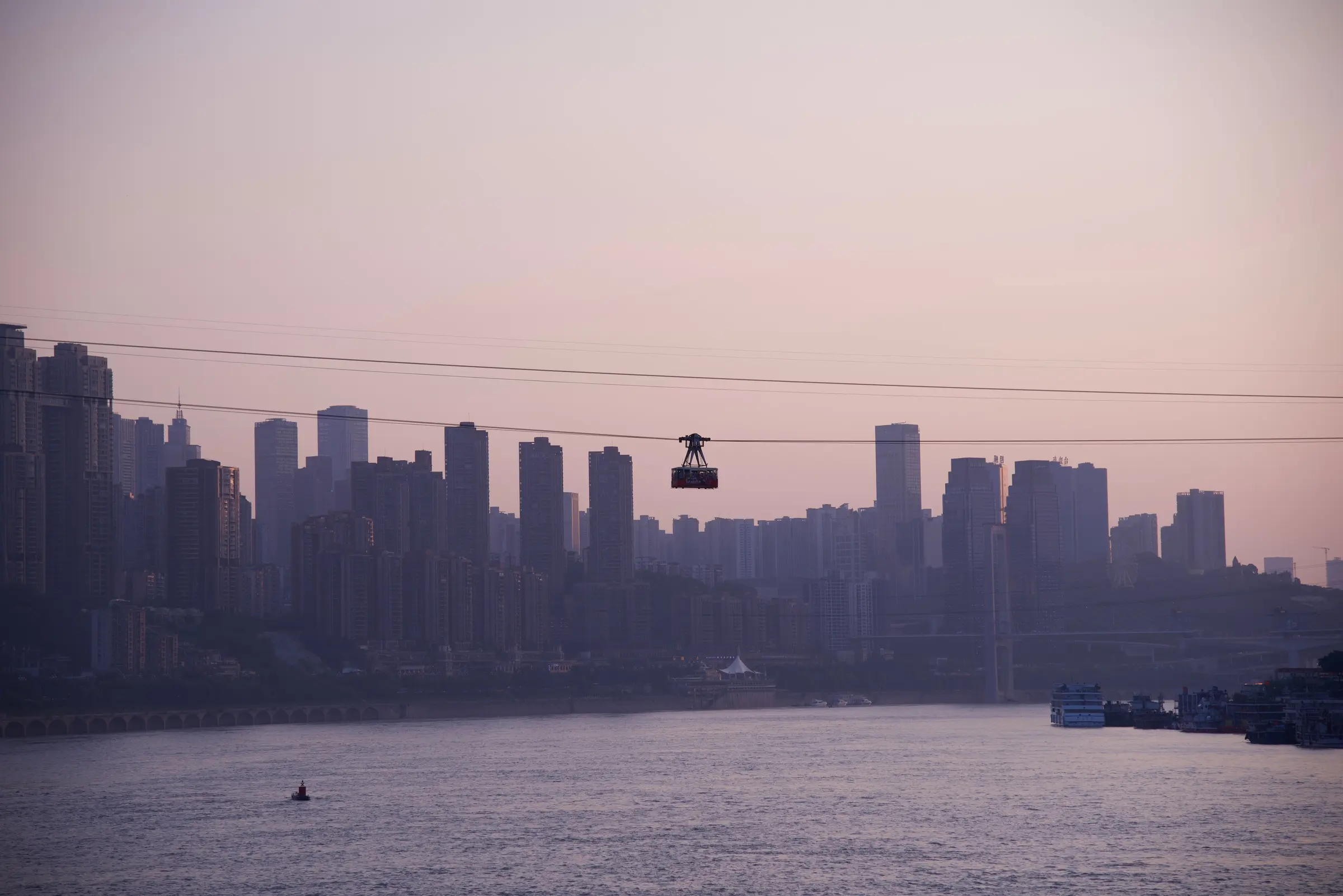
12 / AFTER DARK
THE CITY
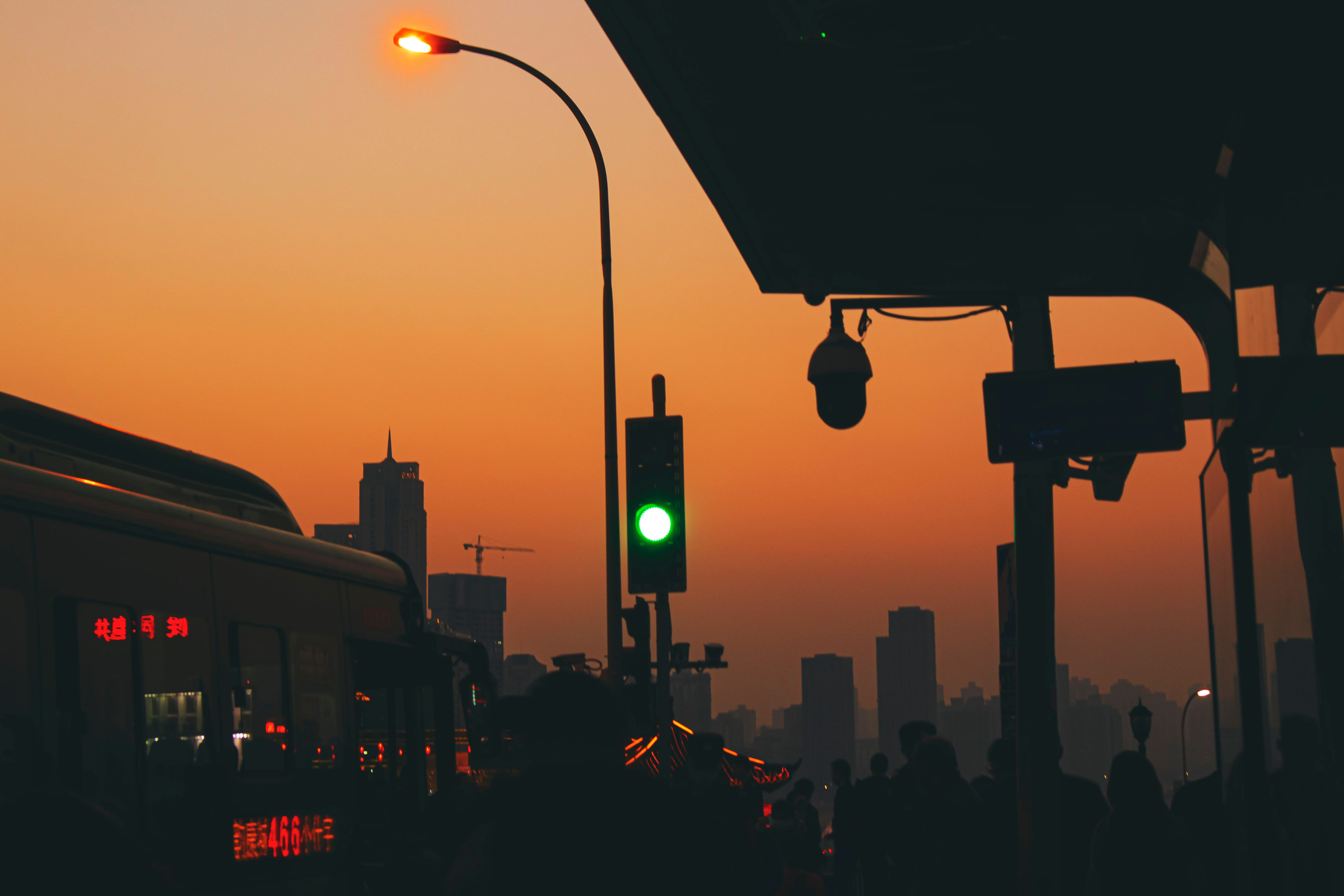
LIGHTS BY LEVEL.
The final view arrives only after the section has been built: river, road, rail, homes, towers.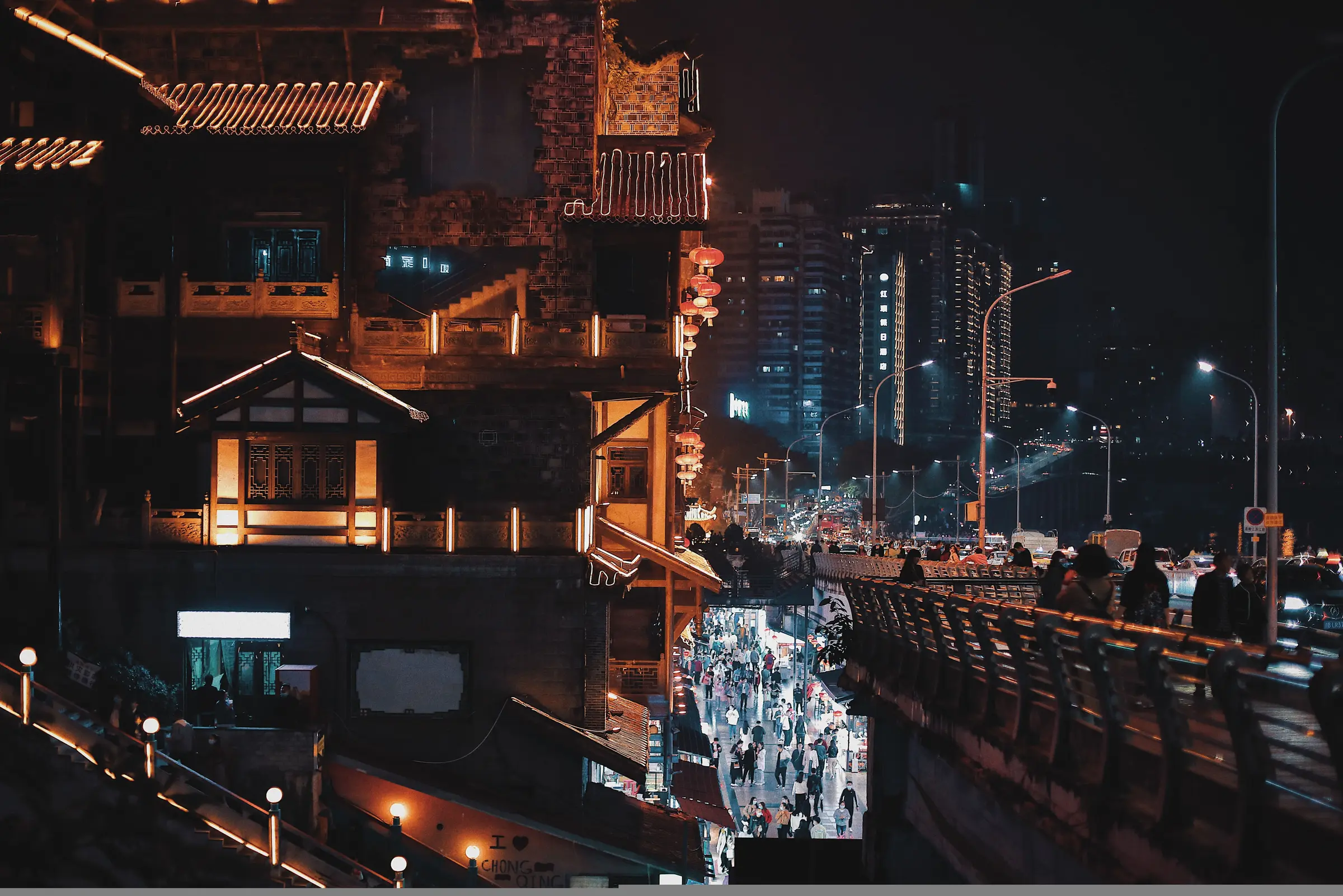
FIELD SOURCES
Li Ziba station / Chongqing Municipal Government ↗Yangtze River Cableway / Chongqing Municipal Government ↗Chongqing hotpot / Chongqing Local Chronicles Office ↗Hotpot & xiaomian intangible heritage / Chongqing Municipal Government ↗Chongqing xiaomian standard / Chongqing Municipal Government ↗Ba Jin / Cold Night ↗Zhang Henshui / Eighty-One Dreams ↗Lao She / Remnant Fog ↗Historical photographs / Wikimedia Commons ↗Contemporary photography / Pexels contributors ↗