Each city is entered through moving image, close observation and its own writers. Choose a city, ask it a question, then enter its story.
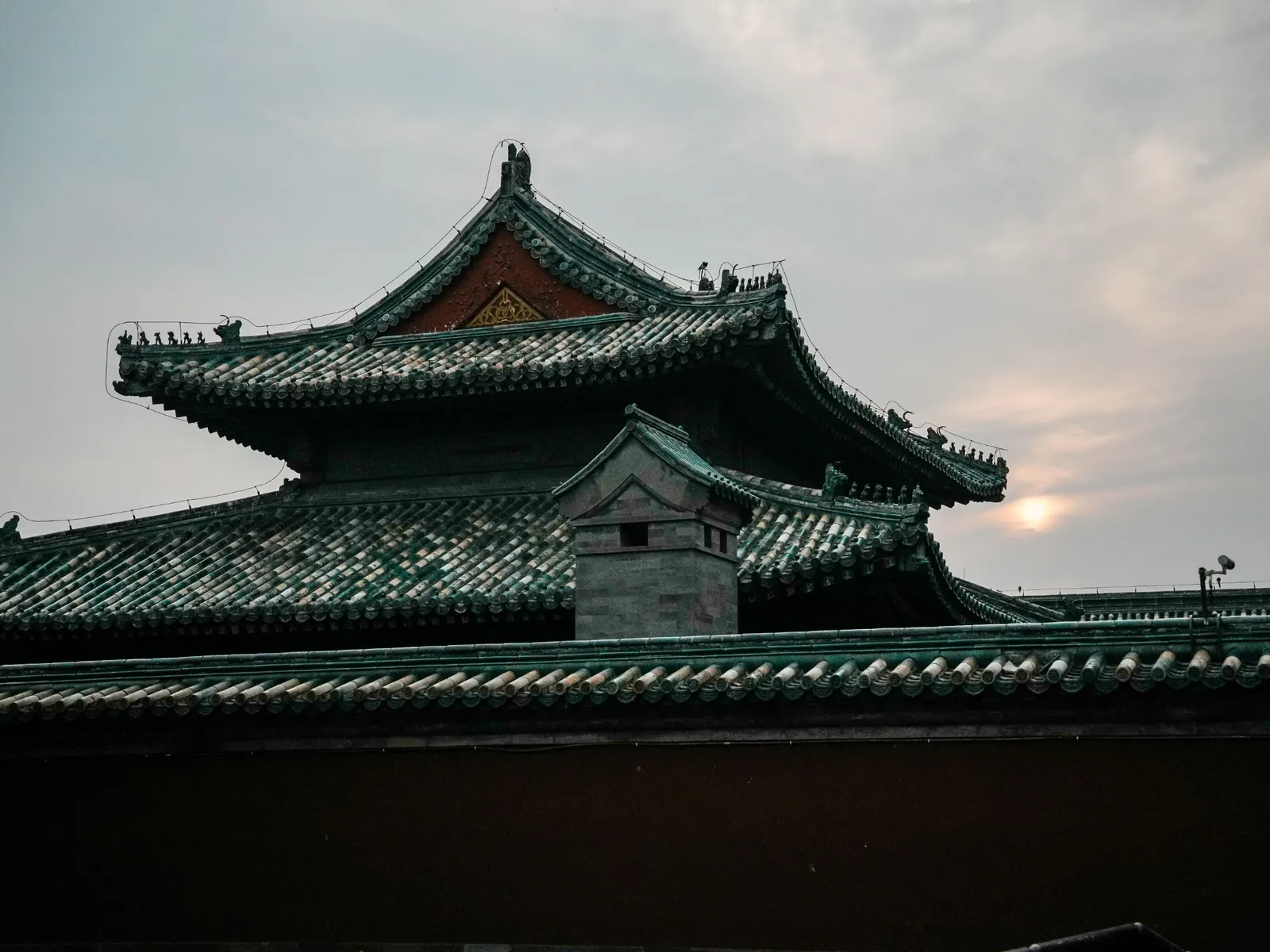
01 / NORTH CHINATEMPLE OF HEAVEN39.9042° N · 116.4074° ECAPITAL · RITUAL
01 · Ceremony in motion
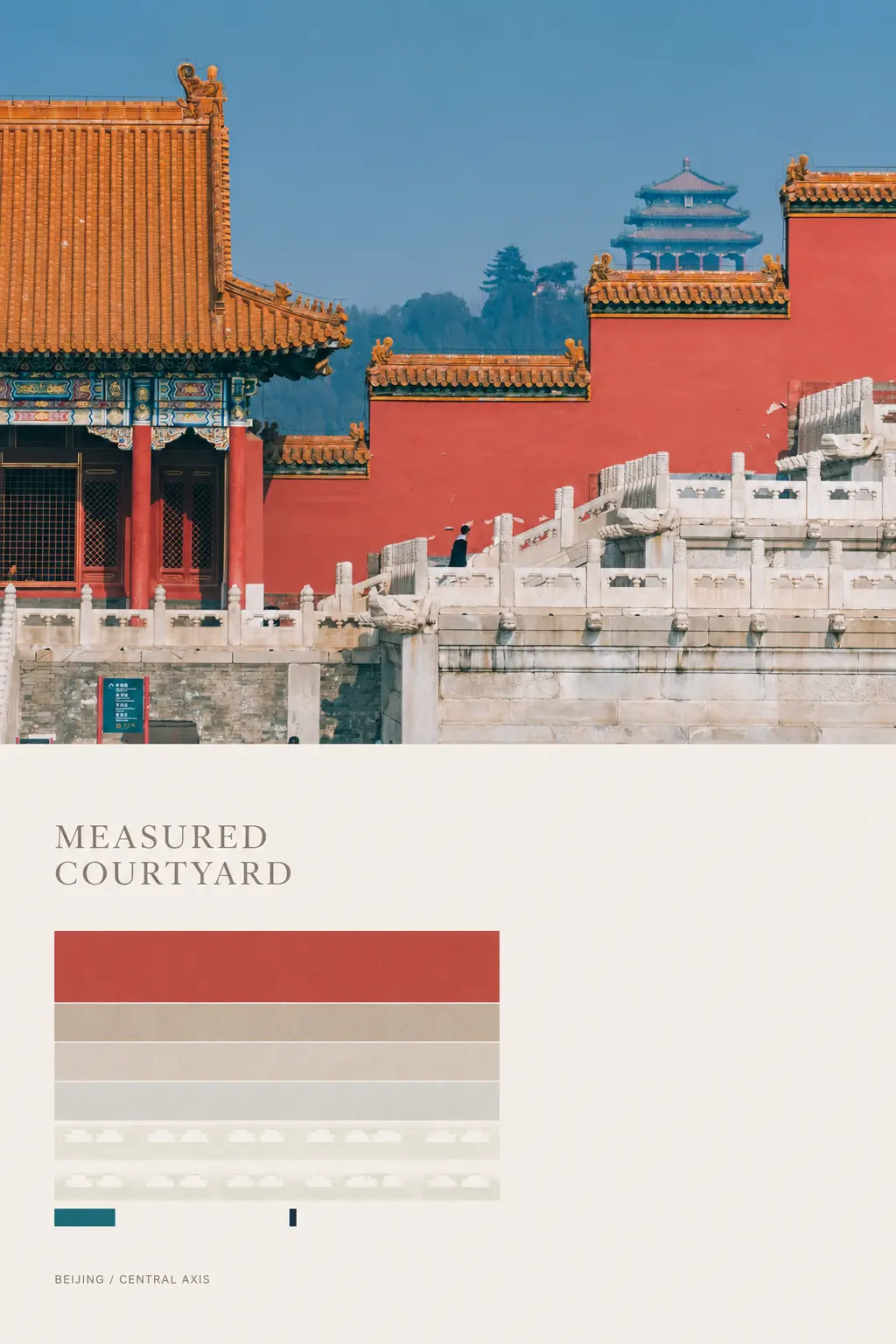
Beijing
Old geometry still organises the crowd, the sky and the pace of arrival.
I’ve been looking at Beijing through its axes, enclosures and ceremonial scale. The city becomes most interesting where that formal order softens into trees, walls, courtyards and the pace of ordinary movement.
The tension between monumental order and small everyday movement. Beijing feels most alive where those two scales overlap.
Rooflines, red walls, long sightlines, courtyards and the way trees interrupt otherwise formal geometry.
Begin with the central axis, then move outward. The city becomes more interesting as ceremony gives way to lived texture.
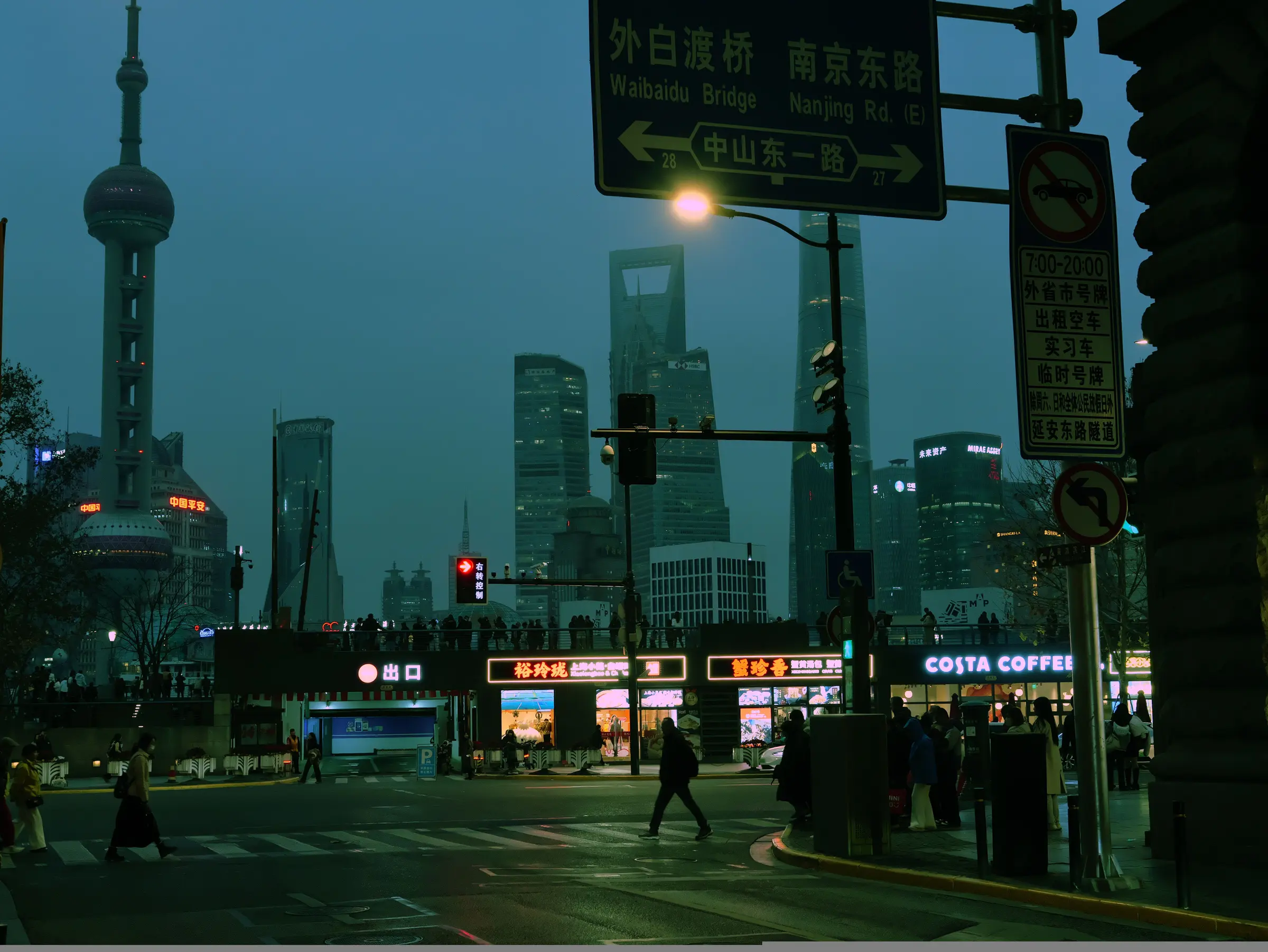
02 / EAST CHINATHE BUND31.2304° N · 121.4737° EEAST COAST · MOMENTUM
02 · The river as horizon
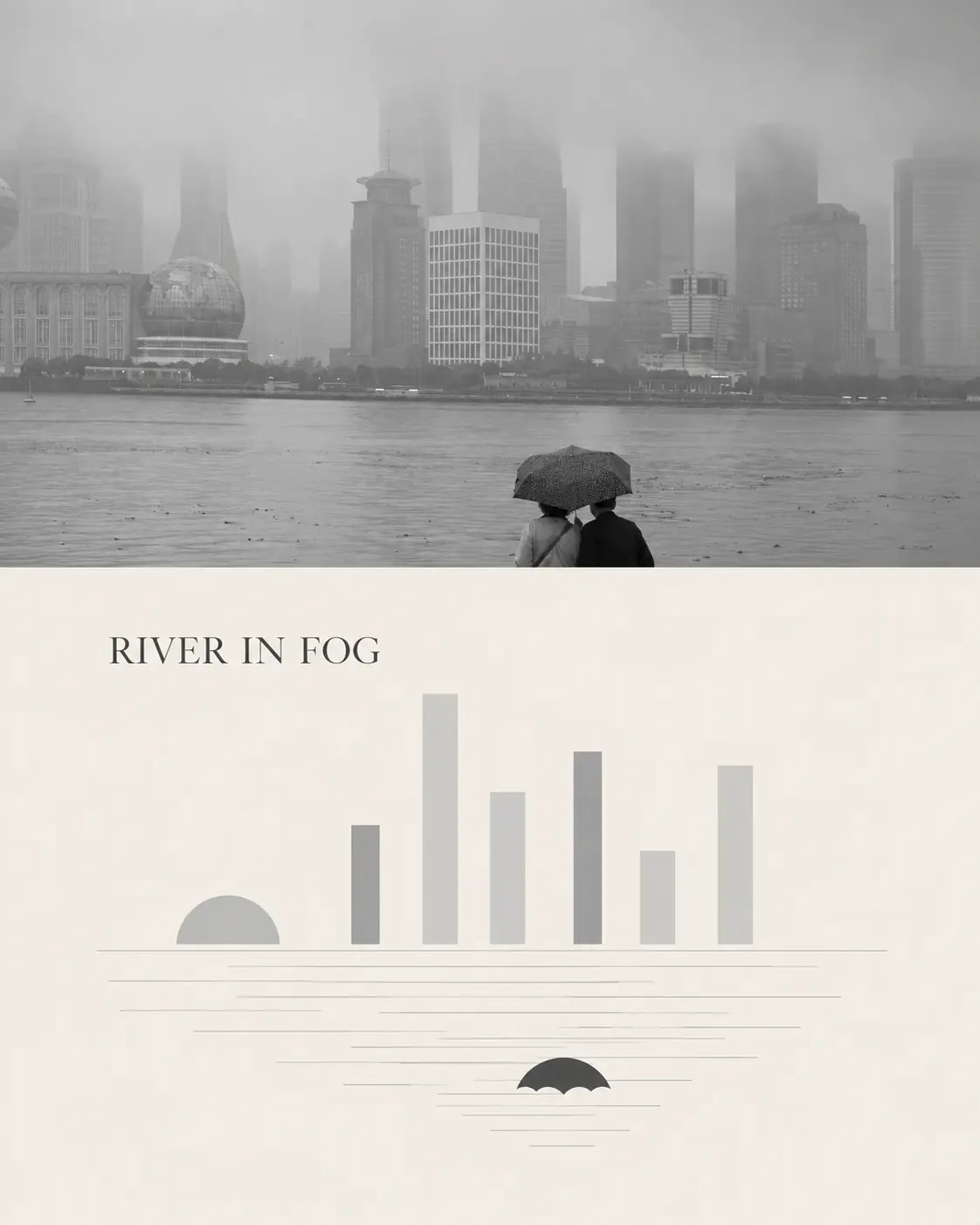
Shanghai
Light, finance and evening traffic gather along one restless edge.
I’ve been looking at Shanghai through river light, compressed streets and vertical ambition. The city rarely settles into one scale, shifting from polished spectacle to tight, restless street life within a few minutes.
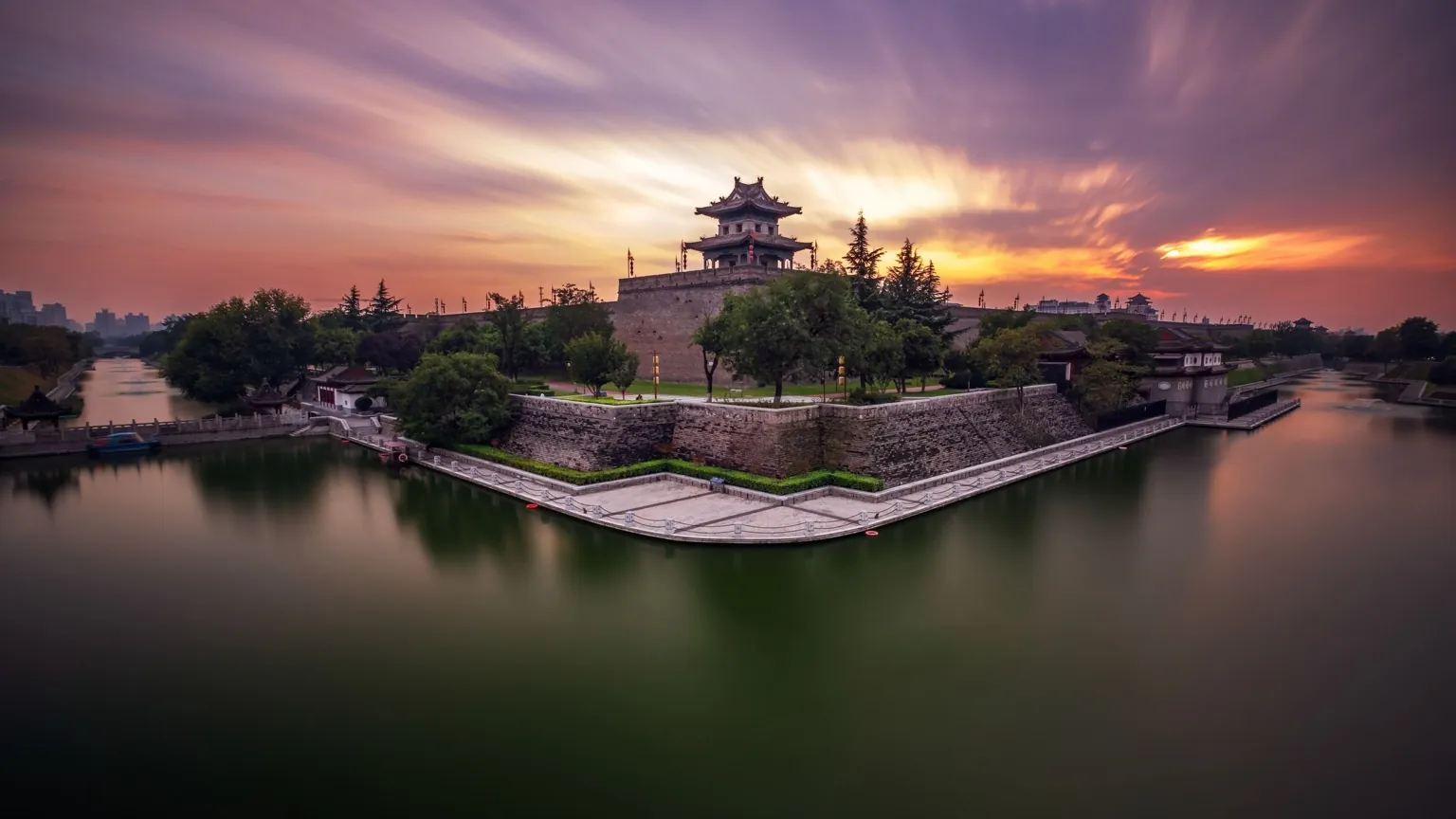
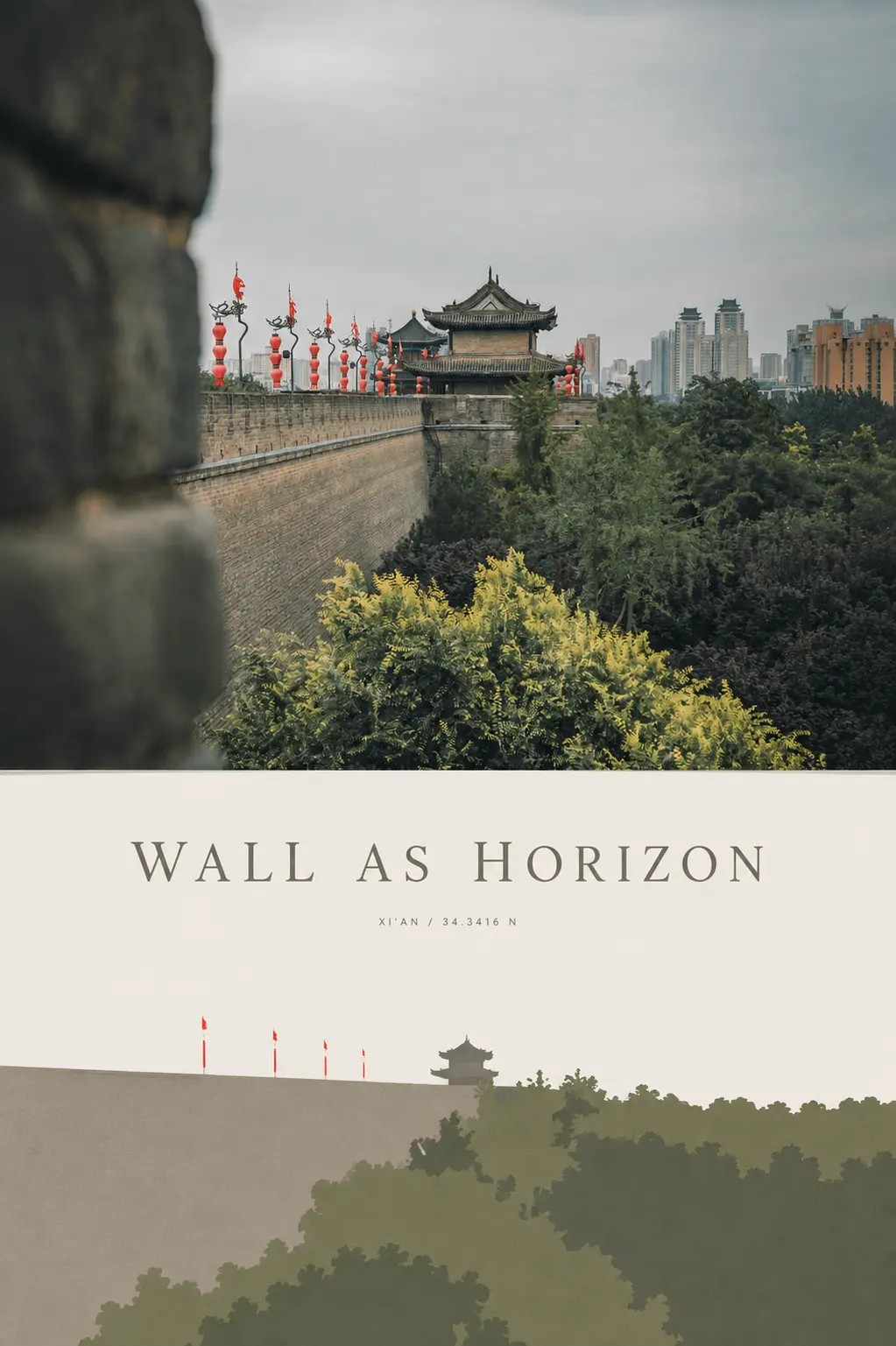
The wall keeps history close enough to walk, touch and circle.
I’ve been looking at Xi’an through stone, brick, ritual scale and contemporary traffic. History remains physically close here, but the strongest frames appear when old structures keep organizing a city that is still moving around them.
The old city keeps acting as structure, not scenery. Walls and pagodas still organize distance, orientation and attention.
Thresholds, wall edges, pagodas, night lighting and the seam where tourism meets ordinary urban life.
Walk the wall as a horizon, then return to street level. The contrast between those two views is the city’s strongest frame.
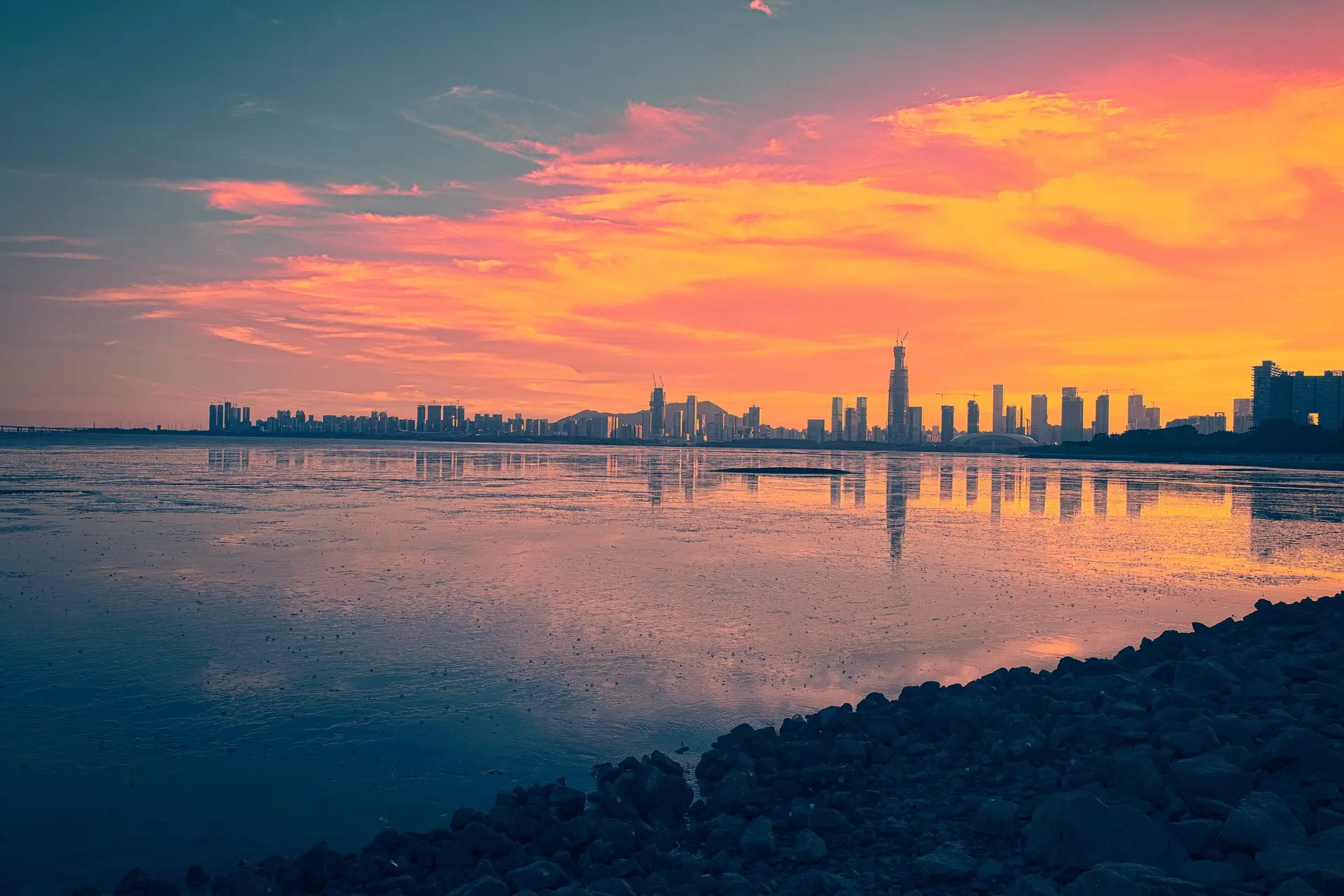
04 / SOUTH CHINASHENZHEN BAY22.5431° N · 114.0579° ESOUTH CHINA · FUTURE
04 · A city still arriving
Shenzhen
By the bay, speed becomes skyline, reflection and ordinary night.
I’ve been looking at Shenzhen as a city still arriving. Speed becomes skyline, reflection, infrastructure and ordinary night, while the lack of a single historic center makes movement and transition more important than monuments.
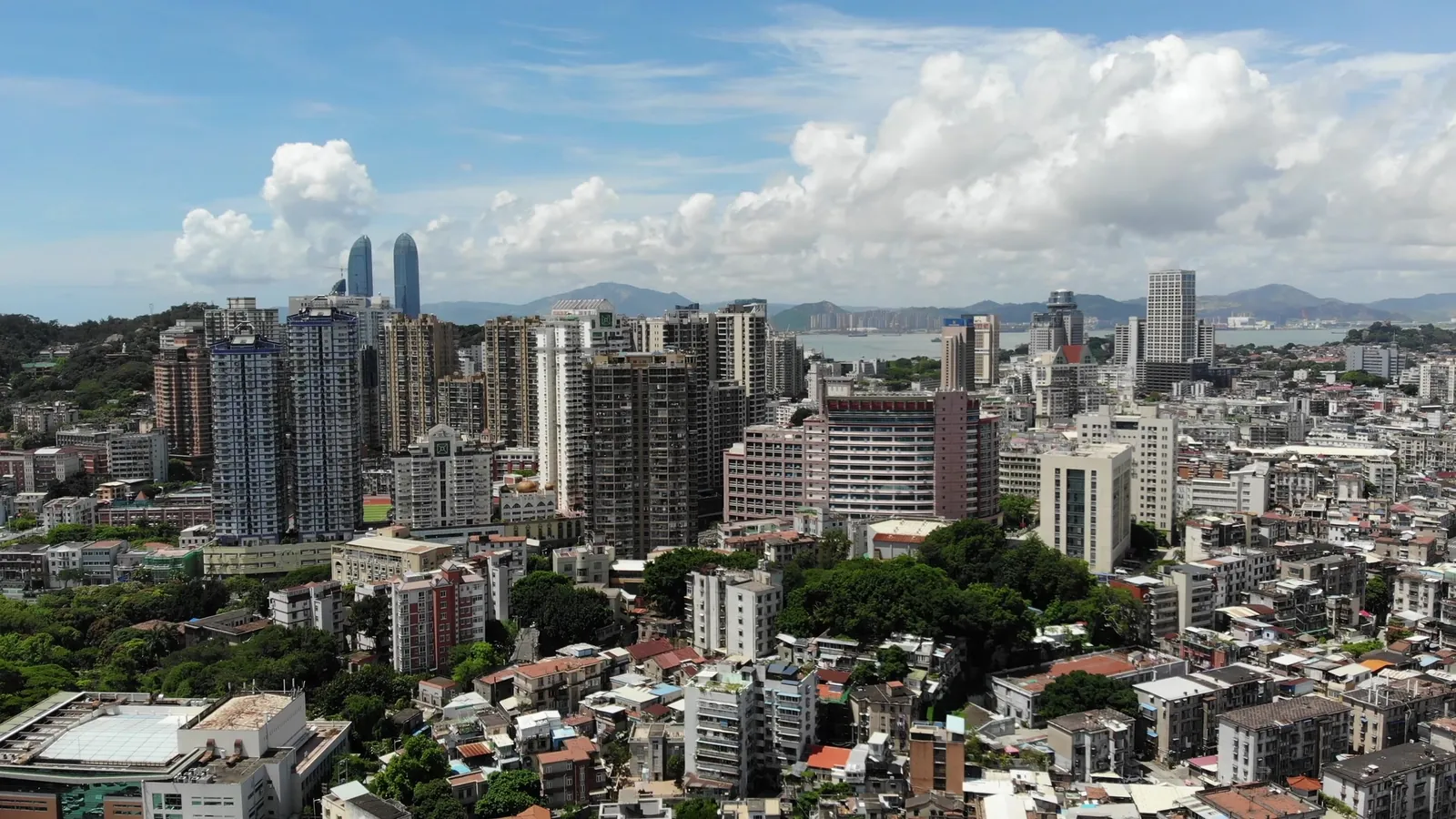
Sea air, dense hills and neighbourhood roofs keep the city close to the water.
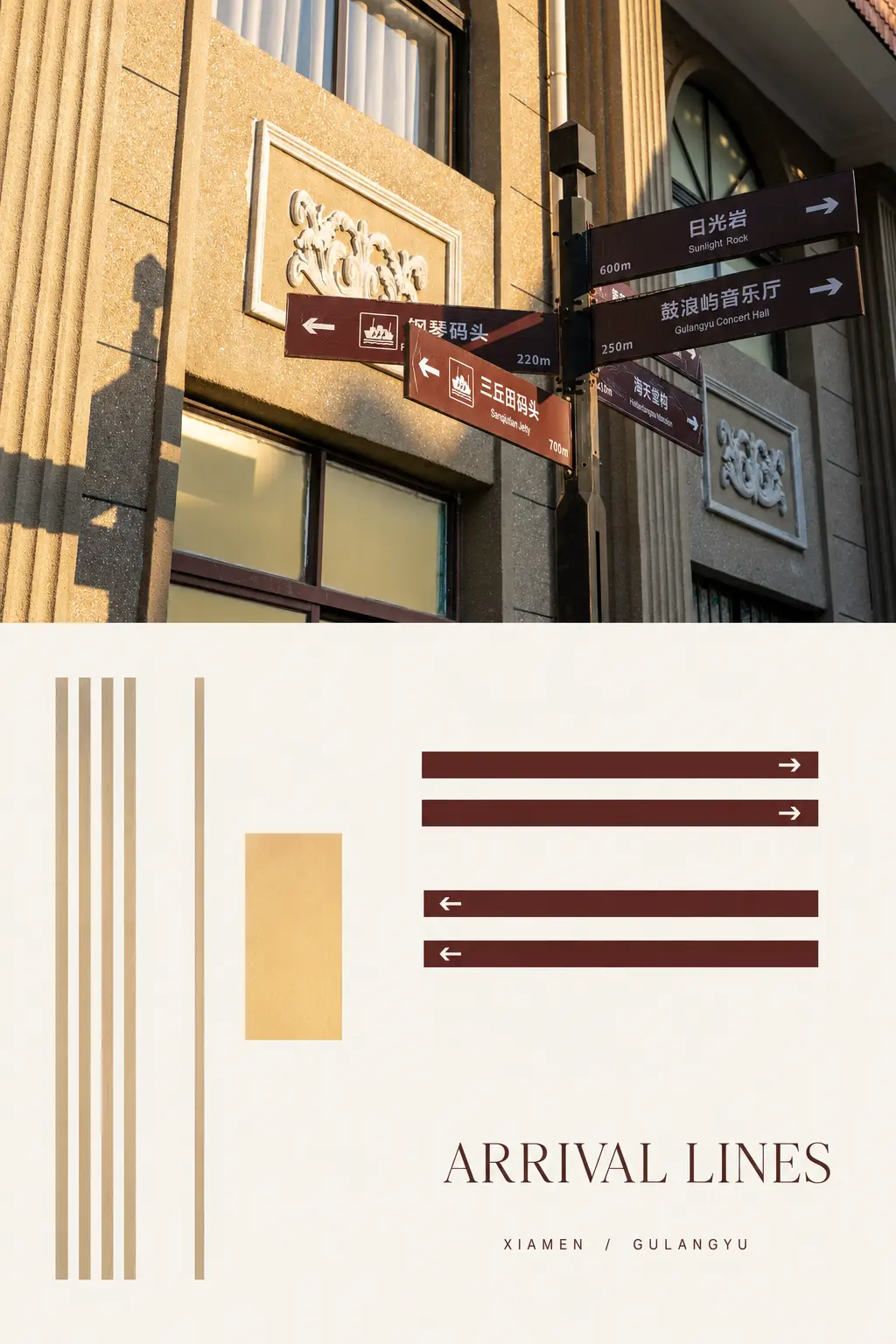
I’ve been looking at Xiamen through coastline, humidity and softer light. Water keeps returning to the frame, so ferries, roads, hills and towers feel less like separate objects and more like parts of one long coastal edge.
The water keeps returning to the frame. Ferries, roads and towers all seem to negotiate with the coastline.
Harbor edges, boats, sea-facing roads, hills and the warm shift in color as the light lowers.
Begin at the water. In Xiamen the coastline is not a backdrop, it is part of the city’s basic visual structure.
06 / EAST CHINAWEST LAKE30.2741° N · 120.1551° EEAST CHINA · WATERLINE
06 · Water before the street
Hangzhou
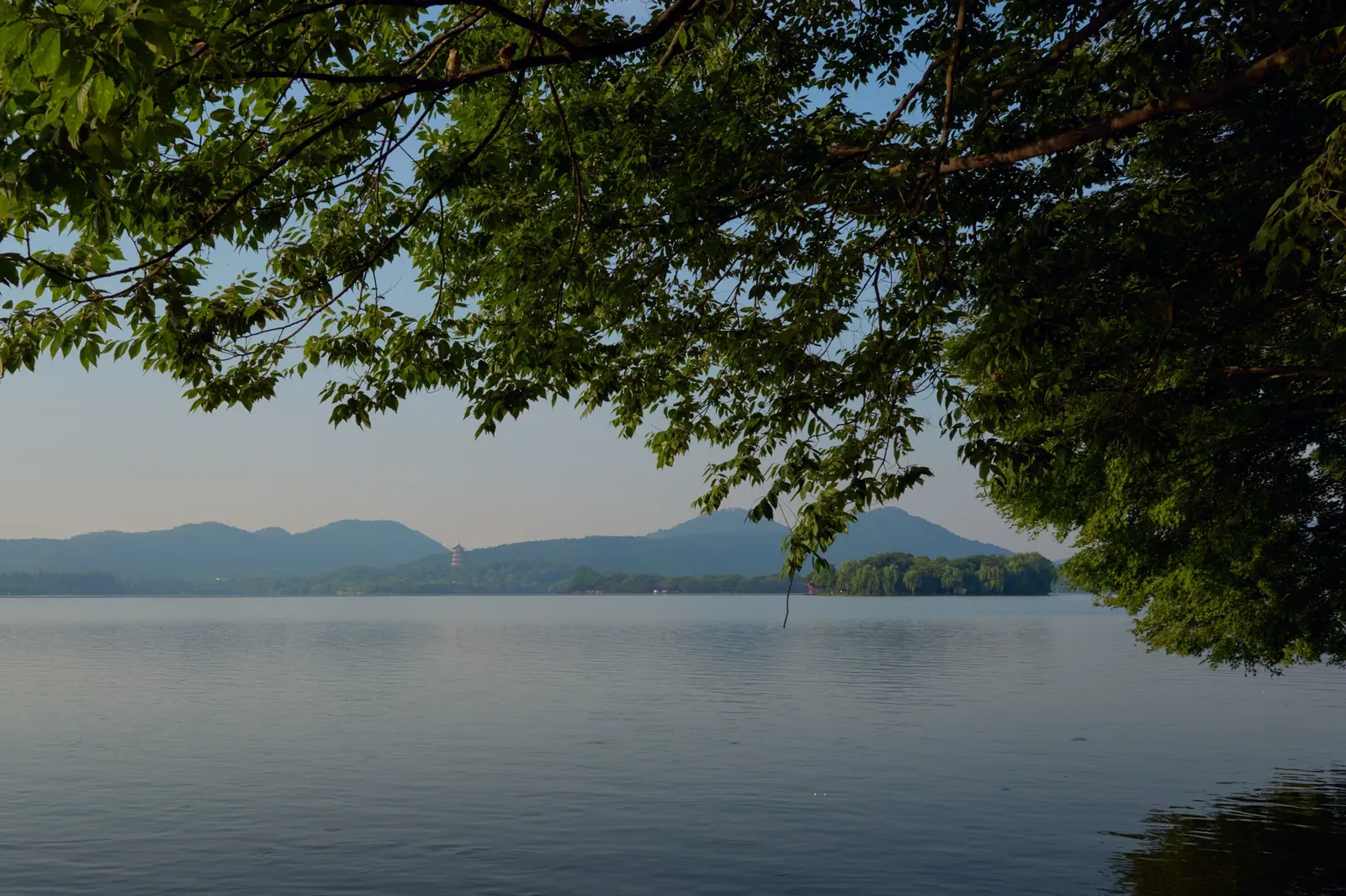
The frame begins on the lake and waits for the city to appear.
I’ve been looking at Hangzhou through distance, foliage, reflection and the way water often arrives before the street. The city feels strongest when architecture steps back and landscape is allowed to reorganise attention.
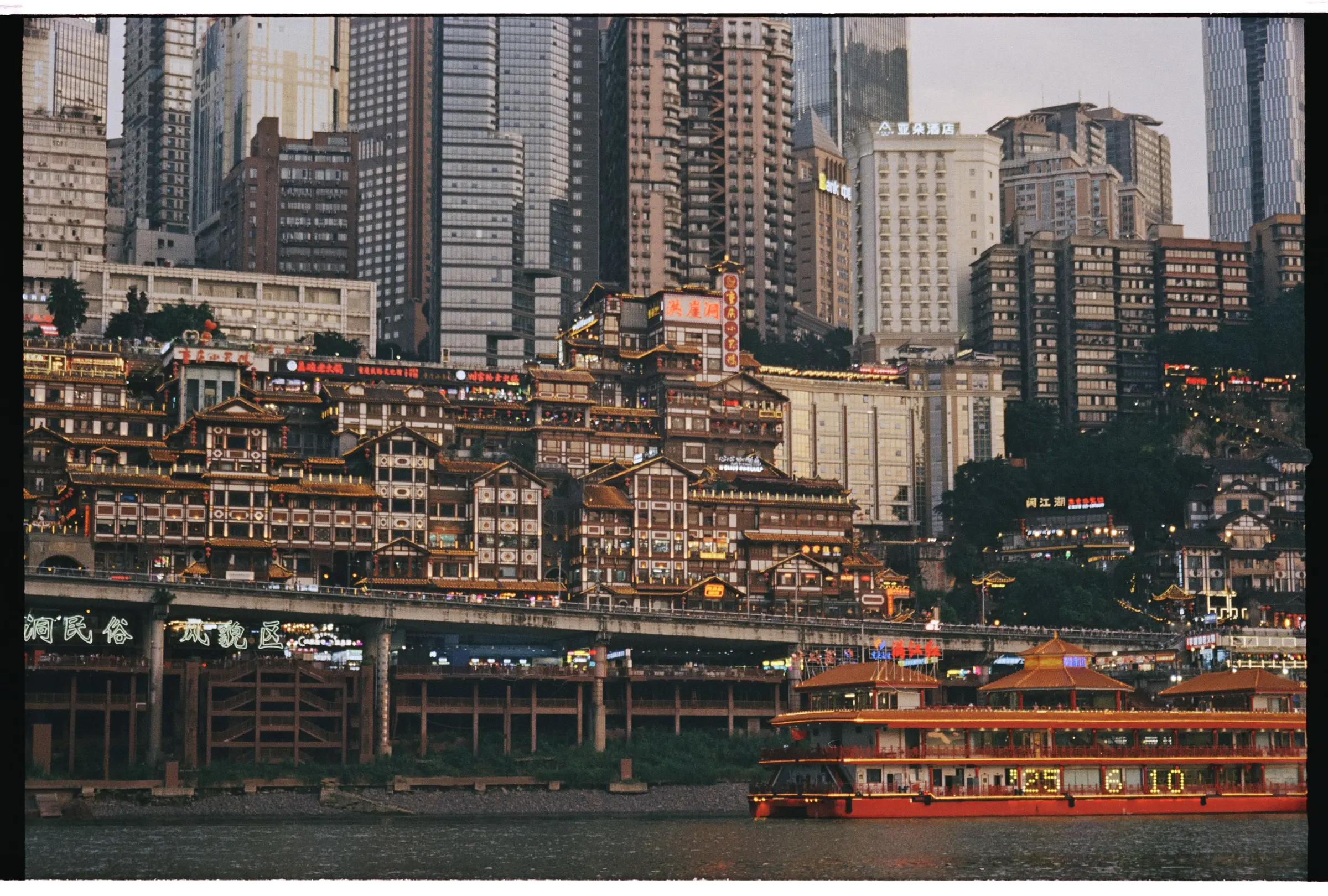
Two rivers set the baseline. Streets, rail and buildings keep climbing above it.
I’ve been looking at Chongqing from river level upward. Streets, rail, bridges and buildings keep stacking above one another, so the city never seems to agree on a single ground plane or a final horizon.